

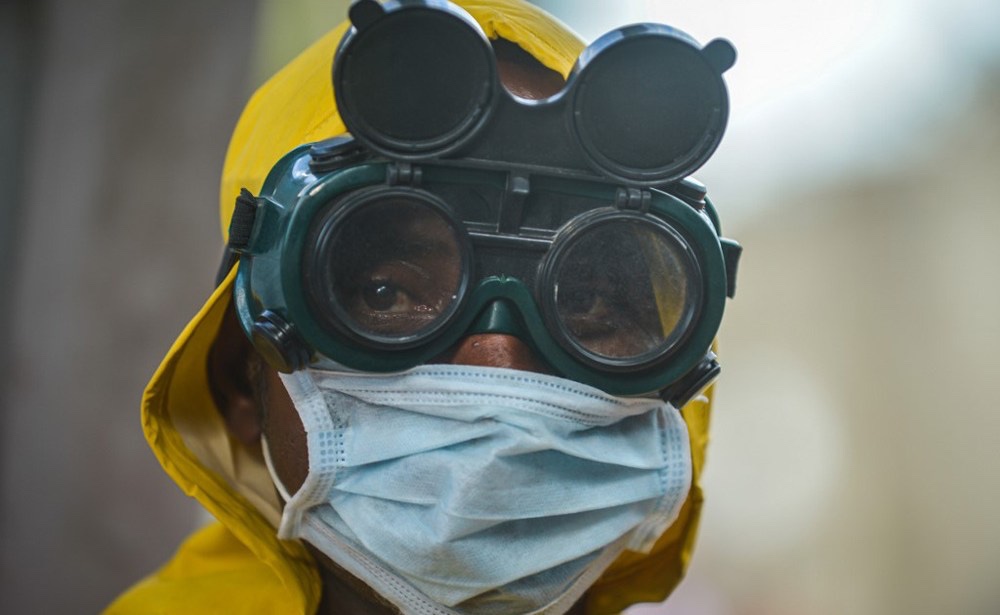
l viernes los CDC (Centros para el Control y la Prevención de Enfermedades de Estados Unidos) publicaron un informe sobre la eficacia de las mascarillas en la propagación del coronavirus que ha tenido una triunfal acogida mediática a lo largo del fin de semana.
El titular del Washington Post ha sido: “Tras el levantamiento de las restricciones por parte del Estado, los CDC afirman que las órdenes de uso de mascarillas pueden reducir las muertes”.
El New York Times asegura que “el uso de mascarillas, según el estudio de los CDC, estaba relacionado con una disminución de las infecciones por coronavirus y de las muertes por Covid-19”.
Por su parte, la cadena NBC califica el informe como una “prueba sólida de que las mascarillas obligatorias pueden frenar la propagación del coronavirus”.
Dado que dichos medios carecen de la más mínima credibilidad, acudimos al informe original (1), según el cualla…
Ver la entrada original 407 palabras más

 RAMROCK'S BLOG
There was a study, at a dental site, that revealed that masks did not prevent the flu. Being the flu pathogen is similar to covid, people such as myself were using the dental study as a reference. It wasn’t long when the website pulled the study, because of covid, saying things have changed, and criticized non-dental visitors to the site for using the study as a reference. If it doesn’t prevent the flu, I don’t see how it prevents covid.
Masks have no seal between the face and facepiece. Respirators, disposable ones, Filtering Facepiece Respirators, have a better seal between the face and facepiece. But, any Negative Pressure Air Purifying Respirator, will have some leakage between the face and facepiece, and some pathogens will get through that compromised seal and some will make it through the filter. But they’ll be far less pathogens get through with a Filtering Facepiece Respirator, properly fitted and worn, than with simple masks.
Me gustaLe gusta a 1 persona