
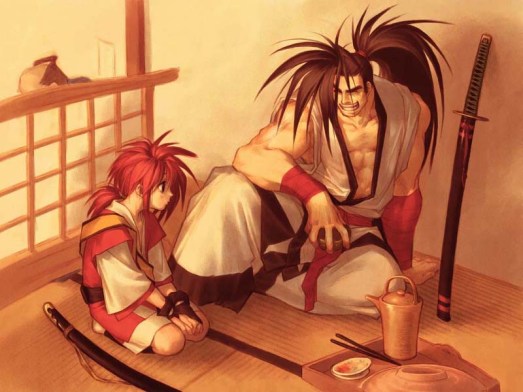
Un maestro samurai paseaba por un bosque con su fiel discípulo, cuando vio a lo lejos un sitio de apariencia pobre, y decidió hacer una breve visita al lugar.
Durante la caminata le comentó al aprendiz sobre la importancia de realizar visitas, conocer personas y las oportunidades de aprendizaje que obtenemos de estas experiencias.
Llegando al lugar constató la pobreza del sitio: los habitantes, una pareja y tres hijos, vestidos con ropas sucias, rasgadas y sin calzado; la casa, poco más que un cobertizo de madera…Se aproximó al señor, aparentemente el padre de familia y le preguntó:“En este lugar donde no existen posibilidades de trabajo ni puntos de comercio tampoco, ¿cómo hacen para sobrevivir?”
El señor respondió: “amigo mío, nosotros tenemos una vaca que da varios litros de leche todos los días. Una parte del producto la vendemos o lo cambiamos por otros géneros alimenticios en la ciudad vecina y con la otra parte producimos queso, cuajada, etc., para nuestro consumo. Así es como vamos sobreviviendo.”
El sabio agradeció la información, contempló el lugar por un momento, se despidió y se fue. A mitad de camino, se volvió hacia su discípulo y le ordenó: “Busca la vaca, llévala al precipicio que hay allá enfrente y empujarla por el barranco.”
El joven, espantado, miró al maestro y le respondió que la vaca era el único medio de subsistencia de aquella familia. El maestro permaneció en silencio y el discípulo cabizbajo fue a cumplir la orden.
Empujó la vaca por el precipicio y la vio morir. Aquella escena quedó grabada en la memoria de aquel joven durante muchos años.
Un bello día, el joven agobiado por la culpa decidió abandonar todo lo que había aprendido y regresar a aquel lugar.
Quería confesar a la familia lo que había sucedido, pedirles perdón y ayudarlos.
Así lo hizo. A medida que se aproximaba al lugar, veía todo muy bonito, árboles floridos, una bonita casa con un coche en la puerta y algunos niños jugando en el jardín. El joven se sintió triste y desesperado imaginando que aquella humilde familia hubiese tenido que vender el terreno para sobrevivir. Aceleró el paso y fue recibido por un hombre muy simpático.
El joven preguntó por la familia que vivía allí hacia unos cuatro años. El señor le respondió que seguían viviendo allí. Espantado, el joven entró corriendo en la casa y confirmó que era la misma familia que visitó hacia algunos años con el maestro.
Elogió el lugar y le preguntó al señor (el dueño de la vaca): “¿Cómo hizo para mejorar este lugar y cambiar de vida?” El señor entusiasmado le respondió: “Nosotros teníamos una vaca que cayó por el precipicio y murió. De ahí en adelante nos vimos en la necesidad de hacer otras cosas y desarrollar otras habilidades que no sabíamos que teníamos. Así alcanzamos el éxito que puedes ver ahora.”
Muchos tenemos alguna vaca que nos proporciona algún beneficio para nuestra supervivencia, pero que nos lleva a la rutina y nos hace dependientes de ella. Nuestro mundo se reduce a lo que la vaca nos brinda. Las vacas pueden ser creencias que nos frenan, miedos, que nos llevan a acomodarnos, a estancarnos..
Las vacas pueden ser desde un trabajo que no nos motiva pero en el que seguimos porque “peor es nada” o “es seguro”, por ejemplo o conformarse con la seguridad de un estado colectivista (como el que proclama el SOCIALISMO) en el que, a cambio del «pienso» diario y un chamizo con techo asegurado, aceptas una total sumisión y te niegas la posibilidad de mejorar tu situación, eso si, con esfuerzo propio.
Si sabes cuál es tu vaca, no dudes en tirarla por el precipicio. Llegó el momento de pasar a la acción y salir del estancamiento que nos impone cuanto antes.
Deja de quejarte, y disponte a revolucionar la forma en que estás haciendo las cosas, no hay manera de que obtengas los resultados que suenas, si primero no despiertas y del letargo en que la comodidad de tener una vaca que te proporcione leche puede introducirte.

A samurai master walked through a forest with his faithful disciple, when he saw a poor looking place in the distance, and decided to make a brief visit to the place.
During the walk he told the trainee about the importance of making visits, meeting people and the learning opportunities we get from these experiences. Arriving at the place, he noticed the poverty of the place: the inhabitants, a couple and three children, dressed in dirty clothes, torn and without shoes; The house, little more than a wooden shed … He approached the man, apparently the father of the family and asked: «In this place where there are no possibilities of work or points of trade either, how do they survive?»
The Lord replied: «My friend, we have a cow that gives several liters of milk every day. A part of the product is sold or exchanged for other foodstuffs in the neighboring city and with the other part we produce cheese, curd, etc., for our consumption. That’s how we’re surviving. «
The sage thanked the information, looked at the place for a moment, said goodbye and left. Halfway, he turned to his disciple and ordered him: «Look for the cow, take it to the precipice that is there and push it down the ravine.»
The young man, frightened, looked at the master and replied that the cow was the only means of subsistence for the family. The teacher remained silent and the disciple, head down, went to carry out the order.
He pushed the cow down the precipice and watched her die. That scene was etched in the memory of that young man for many years.
One fine day, the guilty young man decided to abandon everything he had learned and return to that place.
He wanted to confess to the family what had happened, to ask for their forgiveness and to help them.
He did so. As I approached the place, I saw everything very beautiful, flowery trees, a nice house with a car at the door and some children playing in the garden. The young man felt sad and desperate imagining that this humble family had to sell the land to survive. It accelerated the passage and was received by a very nice man.
The young man asked about the family who lived there for about four years. The lord replied that they were still living there. Frightened, the young man ran into the house and confirmed that it was the same family that he visited for some years with the teacher.
He praised the place and asked the lord (the owner of the cow): «How did he improve this place and change his life?» The enthusiastic lord replied: «We had a cow that fell down the precipice and died. From then on we saw ourselves in need of doing other things and developing other skills that we did not know we had. That way we achieve the success you can see now. «
Many of us have a cow that gives us some benefit for our survival, but that leads us to the routine and makes us dependent on it. Our world is reduced to what the cow gives us. Cows can be beliefs that stop us, fears, that lead us to settle, to stagnate ..
Cows can be from a job that does not motivate us but in which we follow because «worse is nothing» or «is safe,» for example or conform to the security of a collectivist state (such as that proclaimed SOCIALISM) in which , In exchange for the daily «feed» and a chamizo with a roof secured, you accept a total submission and you deny the possibility of improving your situation, that if with self-effort.
If you know your cow, do not hesitate to throw it down the cliff. The time has come to take action and get out of the stagnation that imposes on us as soon as possible.
Stop complaining, and prepare to revolutionize the way you are doing things, there is no way you can get the results you sound, if you do not wake up first and the lethargy in which the comfort of having a cow that gives you milk can introduce you.

 RAMROCK'S BLOG