Categoría: HISTORIA

Cuestión catalana por Florentino Portero (vídeo)

MAGISTRAL conferencia sobre el tema del independentismo catalán. Muy recomendable ver desde el primer hasta el último segundo.

FLORENTINO PORTERO RODRÍGUEZ

Profesor Titular

CURRICULUM

(Madrid, 1956) Licenciado en Geografía e Historia, especialidad de Historia Contemporánea, por la Universidad Complutense de Madrid en el año 1980. Doctor en Historia Contemporánea por la Universidad Nacional de Educación a Distancia, con una tesis realizada bajo la dirección del Catedrático D. Javier Tusell Gómez titulada Política exterior española. Las relaciones hispano-británicas, 1945-1950. Junio 1988.

Profesor del Centro de Estudios Universitarios San Pablo, desde Octubre de 1984 hasta Julio de 1986. Profesor Colaborador del Departamento de Historia Contemporánea de la UNED, desde Octubre de 1985 a 1987. Profesor del Centro de Estudios Internacionales, Toledo, (Programa de la Universidad de Minnesota en España). Profesor Ayudante LRU del Departamento de Historia Contemporánea de la UNED, desde Octubre de 1987 a 1989.Visitong Fellow del Centre for Contemporary Spanish Studies del Queen Mary College, University of London, durante los cursos académicos 1988-89 y 1989-90. Profesor Titular Interino del Departamento de Historia Contemporánea de la UNED, desde Enero de 1989 a 1990. Profesor Titular del Departamento de Historia Contemporánea de la UNED, desde Octubre de 1990. Visiting Professor del Spanish and Portuguese Studies Department de la University of Minnesota, cursos 2001-02 y 2006-07.

DATOS PERSONALES

  • Categoria Profesional: Profesor Titular.
  • Departamento:          Historia Contemporánea
  • Número de Teléfono:  91 398 67 46
  • Número de fax:           91 398 67 18
  • Correo electrónico:     fportero@geo.uned.es
  • Dirección de trabajo:  Edificio de Humanidades.

                                      Paseo Senda del Rey 7, Despacho 520, 28040, Madrid.

FUENTE: UNED

La ultraizquierda a favor de la invasión musulmana en el aniversario de la ‘Toma de Granada’ / The ultra-left in favor of the Muslim invasion on the anniversary of the ‘Toma de Granada’

26166851_142571663196798_8397585533785773170_n

Ayer se celebró el 525 aniversario de la Toma de Granada, un hecho ocurrido en 1492 y con el que se culminaron ocho siglos de Reconquista cristiana contra la invasión musulmana de España.

Como viene siendo habitual, la ultraizquierda no perdió la oportunidad de rechazar un hecho glorioso de nuestra historia, demostrando su más absoluta ignorancia al respecto, y su habitual hispanofobia.

26168405_142571989863432_8699048973069438289_n

Mientras ayer critican la Toma de Granada, tachándola de “genocidio”, celebran un genocidio comunista.

26113967_142572846530013_7805375404915462572_n

Hace falta ser muy ignorante para llamar “genocidio” a aquel hecho que, no supuso la eliminación de la población musulmana de Granada.

Es decir, que el mensaje no es que los genocidios no se celebran, sino que pueden celebrarse los genocidios comunistas, pero no las gestas históricas españolas aunque no fuesen ningún genocidio.

Al final, todos los posicionamientos de la ultraizquierda sobre la historia de España se reducen a una misma cosa: la hispanofobia. La ultraizquierda odia a España porque la trayectoria histórica de nuestra Nación está estrechamente ligada a la Cristiandad, motor de la Reconquista.

Los comunistas tienen en común con los islamistas el haberse quedado con las ganas de someter a España, cómo trataron de convertir a España en los años 30 en un satélite de la URSS.

inglaterra

Yesterday, the 525th anniversary of the Taking of Granada was celebrated, an event that took place in 1492 and that culminated eight centuries of Christian Reconquest against the Muslim invasion of Spain.

As usual, the ultraleft did not lose the opportunity to reject a glorious event in our history, demonstrating its absolute ignorance about it, and its usual hispanophobia.

26168405_142571989863432_8699048973069438289_n

While yesterday they criticize the Taking of Granada, calling it «genocide», they celebrate a communist genocide.

26113967_142572846530013_7805375404915462572_n

It is necessary to be very ignorant to call «genocide» to that fact that, did not suppose the elimination of the Muslim population of Granada.

That is to say, the message is not that the genocides are not celebrated, but that the communist genocides can be celebrated, but not the historical Spanish exploits even if they were not genocide.

In the end, all the positions of the ultra-left on the history of Spain are reduced to the same thing: the hispanophobia. The ultra-left hates Spain because the historical trajectory of our Nation is closely linked to Christianity, the engine of the Reconquest.

  The communists have in common with the Islamists to have stayed with the desire to subdue Spain, how they tried to turn Spain in the 30s into a satellite of the USSR.

Leónidas Tur

La conquista de Granada por los Reyes Católicos / The conquest of Granada by the Catholic Monarchs

fernando-de-aragon-e-isabel-de-castilla_53636ee9
Fernando de Aragón e Isabel de Castilla. Los Reyes Católicos, Isabel y Fernando, culminaron la Reconquista con la toma de Granada en 1492 a manos del sultán nazarí Boabdil.

Tras casi diez años de guerra, en 1491 los Reyes Católicos pusieron sitio a la capital del reino nazarí de Granada. Su caída era cuestión de tiempo, y Boabdil, el sultán granadino, sólo tenía una opción: rendirse.

la-caida-de-granada_4943f821
La caída de Granada. Al pie de las murallas de Granada se hizo efectiva la rendición musulmana con la entrega de las llaves de la ciudad por parte de Boabdil a los Reyes Católicos. Las condiciones de la capitulación se recopilaron en las llamadas Capitulaciones de Granada. Así imaginó y plasmó la escena Francisco Pradilla en 1882. Foto: wikicommons

La caída del último enclave musulmán de Europa occidental parecía compensar la conquista de Constantinopla por los turcos otomanos, que había tenido lugar en 1453, o su más reciente ocupación de Otranto, en el año 1480. El mismo papa Inocencio VIII acudió a la iglesia de Santiago de los Españoles y ofició una misa en celebración de la victoria.Festejada en toda Europa, la conquista de Granada había puesto fin a diez años de guerra entre la Corona de Castilla y el emirato gobernado por la dinastía nazarí.

Entre el 27 de diciembre de 1481, fecha en que los nazaríes ocuparon Zahara, y el 2 de enero de 1492, día de la ocupación de Granada, ambas potencias libraron una contienda de carácter muy distinto a las que hasta entonces habían protagonizado. En efecto, Isabel I de Castilla, al contrario de los que había sucedido en tiempos de su padre Juan II y su hermano Enrique IV, no sólo tenía en mente obtener varias victorias en el campo de batalla, sino que pretendía algo mucho más ambicioso: acabar de una vez por todas con el poder islámico en la Península.

La cruenta conquista de Málaga (en agosto de 1487) privó al territorio sureño de su principal puerto y acabó para siempre con el espejismo de una posible ayuda militar de los reinos musulmanes del Magreb. La toma de Baza, en el otro extremo del reino, marcó asimismo un punto de inflexión. Quedaba claro que no se trataba de una guerra tradicional, basada en campañas veraniegas: aquella era una guerra total. Sólo continuaban resistiendo Granada y algunas escasas comarcas circundantes, y fue en esta zona en la que se concentraron Fernando e Isabel. Ambos esposos, los Reyes Católicoshabían establecido pactos secretos con el rey granadino Boabdil por los que éste se comprometía a rendir la capital tan pronto como las circunstancias lo permitiesen.

Sin embargo, llegado el momento, Boabdil no pudo, o no quiso, cumplir con su parte del trato. La existencia en Granada de un sector intransigente, cerrado a toda negociación, le impedía revelar el acuerdo y le obligaba a mantener la guerra hasta el final, esperando, quizás, una intervención exterior que nunca habría de llegar, pues los imperios islámicos más fuertes estaba demasiado alejados geográficamente e interesados en sus propios asuntos.

La presión de las fuerzas combinadas de Castilla y Aragón se dirigió frontalmente sobre la capital a fin de acabar con la resistencia mediante un solo golpe. En el mes de julio, en pleno bloqueo de Granadaun incendio arrasó el campamento de los reyes; según algunas fuentes, la propia Isabel estuvo a punto de morir carbonizada en su tienda, donde al parecer se inició el fuego. Isabel, en vez de ordenar su desalojo, mandó levantar una nueva población, que tomó el llamativo nombre de Santa Fe. Desde esta estratégica posición las tropas castellanas podían realizar continuas razias sobre los desprevenidos pobladores de la Vega, que rápidamente fueron abandonando sus casas para protegerse tras las fortificaciones granadinas. Así, no sólo se privaba a los nazaríes de provisiones, sino que los sitiadores se aseguraban de que, al aumentar sin tregua la población refugiada tras las murallas de Granadael hambre se apoderaría rápidamente de la ciudad.

boabdil-el-sultan-que-entrego-su-reino_07eaaa4b
Boabdil, el sultán que entregó su reino. Al último sultán granadino le tocó vivir un periodo convulso en el que tuvo que afrontar sangrientas luchas por el poder entre diferentes facciones de Granada así como la larga ofensiva militar de los Reyes Católicos. Foto: wikicommons

Los musulmanes, perdidas todas las esperanzas, se veían abocados a un durísimo asedio, que podía concluir como el de Málaga, con la muerte y la esclavitud de buena parte de la población. El final llegó por el hambre, por la presión militar y, por supuesto, por el soborno a varios notables cortesanos nazaríes, a los que se prometió conservar sus propiedades y su posición social y concederles determinadas mercedes. El 25 de noviembre de 1491 se formalizaban las condiciones de rendición o capitulaciones en el campamento real de la Vega, cerca de Santa Fe.

el-adios-de-boabdil_06eec494
El adiós de Boabdil. Las Capitulaciones de Granada fueron muy ventajosas para Boabdil y sus súbditos, pues estipulaban el perdon para todos los resistentes, el respeto a sus propiedades, leyes, lengua e incluso religión. Sin embargo, poco tiempo más tarde, debido a diversas presiones, todo fue papel mojado y la corona impuso nuevos gravámenes e intentó convertir al cristianismo a los musulmanes. Foto: wikicommons

El 2 de enero de 1492 las tropas cristianas entraron en la ciudad, precedidas por varios destacamentos que tomaron las principales fortalezas y torres del recinto amurallado.

la-alhambra_0dbfc749
LA ALHAMBRA. El conocido como «castillo rojo» domina toda la ciudad de Granada y fue la residencia de la dinastía nazarí desde el siglo XIII. De hecho en ella nació el propio Boabdil, el último sultán.
9bb9b0d7una_obra_excepcional
Dibujos nazaríes ocultos en la Alhambra. Recientemente se descubrieron algunos dibujos de la época nazarí que habían permanecido ocultos en la Alhambra, exactamente en las maderas del templete oeste del Patio de los Leones. Patronato y Conjunto Monumental de la Alhambra y el Generalife

inglaterra

After almost ten years of war, in 1491 the Catholic Kings laid siege to the capital of the Nasrid kingdom of Granada. His fall was a matter of time, and Boabdil, the Sultan of Granada, had only one option: to surrender.

The fall of the last Muslim enclave of Western Europe seemed to compensate the conquest of Constantinople by the Ottoman Turks, which had taken place in 1453, or its more recent occupation of Otranto, in the year 1480. The same Pope Innocent VIII went to the church of Santiago of the Spaniards and officiated a mass in celebration of the victory. Celebrated throughout Europe, the conquest of Granada had put an end to ten years of war between the Crown of Castile and the emirate ruled by the Nasrid dynasty.

Between the 27 of December of 1481, date in which the nazaríes occupied Zahara, and the 2 of January of 1492, day of the occupation of Granada, both powers fought a contest of character very different from which until then they had carried out. Indeed, Isabel I of Castile, unlike those that had happened in the time of her father Juan II and her brother Enrique IV, not only had in mind to obtain several victories in the battlefield, but also wanted something much more ambitious: end once and for all with Islamic power in the Peninsula.

The bloody conquest of Malaga (in August 1487) deprived the southern territory of its main port and ended forever with the mirage of possible military aid from the Muslim kingdoms of the Maghreb. The capture of Baza, at the other end of the kingdom, also marked a turning point. It was clear that it was not a traditional war, based on summer campaigns: that was a total war. They only continued to resist Granada and a few surrounding counties, and it was in this area that Fernando and Isabel concentrated. Both spouses, the Catholic Kings, had established secret pacts with the Granada king Boabdil by which he promised to surrender the capital as soon as circumstances permitted.

However, when the time came, Boabdil could not, or would not, comply with his part of the bargain. The existence in Granada of an intransigent sector, closed to all negotiations, prevented him from revealing the agreement and forced him to maintain the war until the end, waiting, perhaps, for an outside intervention that would never come, as the strongest Islamic empires were too geographically remote and interested in their own affairs.

The pressure of the combined forces of Castile and Aragon went frontally on the capital in order to end the resistance by a single blow. In the month of July, in the middle of the blockade of Granada, a fire destroyed the camp of the kings; According to some sources, Isabel herself was about to die charred in her store, where the fire apparently started. Isabel, instead of ordering her eviction, ordered the construction of a new town, which took the striking name of Santa Fe. From this strategic position the Castilian troops could carry out continuous raids on the unsuspecting settlers of La Vega, who quickly left their homes to protect yourself behind the fortifications of Granada. Thus, not only were the Nasrids deprived of provisions, but the besiegers ensured that, by increasing the refugee population without respite behind the walls of Granada, hunger would quickly take over the city.

The Muslims, lost all hopes, were forced into a harsh siege, which could end like the one in Malaga, with the death and slavery of a large part of the population. The end came from hunger, from military pressure and, of course, from the bribery of several notable Nasrid courtiers, who were promised to keep their property and social status and grant them certain grants. On November 25, 1491 the conditions of surrender or capitulations were formalized in the royal camp of La Vega, near Santa Fe.

On January 2, 1492 Christian troops entered the city, preceded by several detachments that took the main fortresses and towers of the walled enclosure.

FUENTE: National Geographic España

RECONQUISTA2

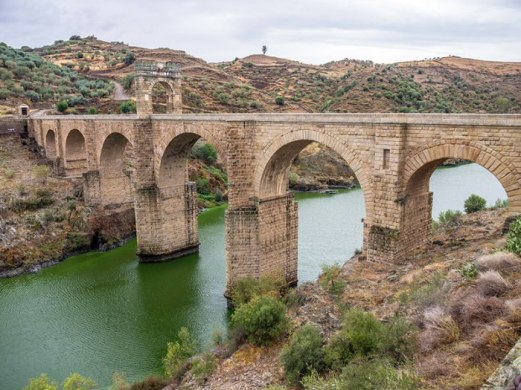
Puentes romanos en Hispania “por siempre en los siglos del mundo”

800px-alcc3a1ntara-puente_romano-daviddaguerro
Puente romano de Alcántara.

Así lo dejó inscrito el constructor del puente de Alcántara, Caius Iulius Lacer. Y es que los puentes romanos desaparecidos se deben más a la mala acción del hombre, que por un fallo estructural en su construcción. Según un estudio realizado por el ingeniero de Caminos de la Universidad de Coruña, el Dr. Manuel Durán Fuentes, y sus colaboradores, en el territorio de la antigua Hispania existen treinta y seis puentes de origen romano confirmado. Muchos otros son dados erróneamente por romanos simplemente por su antigüedad, por tener bóvedas de piedra o porque las gentes del lugar así los ha considerado durante siglos, aunque es también probable que en el futuro aparezcan otros de tamaño medio o pequeño, ocultos, esperando ser descubiertos y rescatados del olvido.

LEER ARTÍCULO COMPLETO EN:  Puentes romanos en Hispania «por siempre en los siglos del mundo»

Piedras, pirámides y piramidiones


450px-paris_concorde_obc3a9lisque_1
Obelisco de la Place de la Concorde (Paris)

Desde Guiza hasta Saqqara, desde Dahsur hasta Meidum; para el faraón Dyeser o para Jafra, para Seneferu o para Amenemhat III. Las pirámides ni las construían esclavos, ni está comprobado que las piedras llegaran a su sempiterna localización mediante rampas, ni todas estaban formadas por grandes bloques de varias toneladas de peso.

En las tumbas de los primeros reyes egipcios se utilizaron adobes o barro, y cuando comenzó a utilizarse la piedra en su construcción los bloques apenas medían 20 cm de altura. A medida que los obreros iban conociendo mejor la técnica en el uso de la piedra se utilizarían bloques cada vez más grandes hasta alcanzar más de tres toneladas, o incluso 60 toneladas como en la tumba de Keops. Al final, tras años de infatigable trabajo de un ejército de trabajadores, se colocaba en la cúspide de las pirámides la última pieza, el piramidión.


LEER ARTÍCULO COMPLETO EN:  Piedras, pirámides y piramidiones

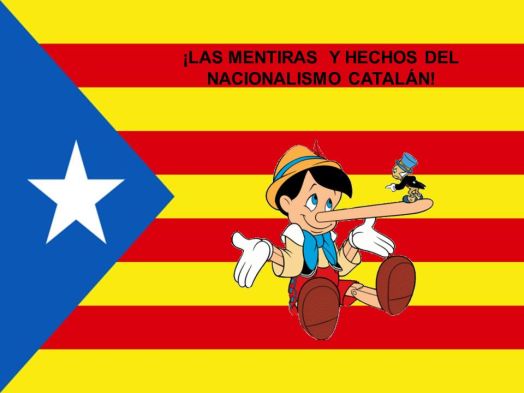
Historia del nacionalismo catalán en 10 mentiras / History of Catalan nationalism in 10 lies

¡LAS MENTIRAS Y HECHOS DEL NACIONALISMO CATALÁN!

El vídeo corre en las redes como la pólvora. En Youtube lo han visto ya cerca de un millón de personas y no hay día que no se arroje a la cara acompañado de un: “Toma, aprende un poco de historia”. Se trata de Historia de Cataluña en 10 minutos, faro del relato independentista realizado por la productora Carki, que ya publicó hace tiempo un vídeo similar, con más éxito si cabe, sobre el País Vasco.

*(THE VIDEO CAN BE CONFIGURED FOR SUBTITLES IN ENGLISH AND OTHER LANGUAGES)

El vídeo original está lleno de sesgos, medias verdades, reinterpretaciones históricas o directamente mentiras. “Y aun así, no es de lo peor que he visto”, dice a El Independiente Jordi Canal i Morell, autor del éxito Historia mínima de Cataluña (Turner, 2015) natural de Olot (Gerona), historiador doctorado y profesor de la Escuela de Altos Estudios en Ciencias Sociales de París.

Junto al profesor nos paramos a analizar el vídeo, punto por punto. Canal lo detiene a cada imprecisión y, al cabo de una hora, el concepto de la obra ha cambiado por completo. Esta no es la historia de Cataluña en 10 minutos, sino la historia de Cataluña en 10 mentiras:

1 – La trampa del presentismo. El vídeo, desde el primer momento y durante toda su extensión, mantiene en el mapa la frontera de la actual Cataluña. Incluso desde la época griega, donde da inicio al relato de una historia presuntamente diferenciada de la del resto de la península. “Es un abuso absoluto”, dice Canal. “No existe en esta época Cataluña, ni nada que se le parezca, ni nada que esté predestinado a serlo”. El vídeo, sin embargo, insiste en presentar la colonia de Ampurias como “el inicio de lo que será Cataluña”.

Con la llegada de los romanos, el truco continúa siendo el mismo. “Sigue apareciendo una línea que está condicionando a la persona que ve el vídeo a que imagine que esas cosas que están ahí son distintas de las que hay en otra parte, lo que en esa época no tiene ningún sentido”, dice el historiador. “Es curioso que el vídeo, cuando destaca poblaciones romanas importantes, opta por las que ahora son capitales de provincia, que no son necesariamente las más importantes en aquel momento”, continúa.  “Podría hablar de la actual Badalona, por ejemplo, o la actual Mataró, que en este momento eran muy importantes. Hay un intento de vincular esas ciudades con lo que son ahora: es más importante colocar Gerunda que colocar Ampurias porque te remite más al presente”.

La conclusión, en este sentido, es clara: “Uno de los problemas del vídeo, y del relato del nacionalismo, es la trampa permanente del presentismo”. Un ejemplo evidente de esto se da cuando el relato asegura que los visigodos “pasan por Cataluña” en su camino hacia la conquista de la península. “Como si Cataluña existiera en aquel momento”, rebate el profesor.

2 – Las ‘dos Cataluñas’. El relato hace especial hincapié en el surgimiento de la Marca Hispánica propiciada por los francos para arrebatar territorio a los musulmanes que dominaban la península. Es ahí donde surgen los primeros condados, y es ahí donde el vídeo asegura que existen “dos Cataluñas”. “Cataluña la vieja, la de los condados; y Cataluña la nueva, que todavía es territorio musulmán”, simplifica la voz en off que guía al vídeo.

Esta afirmación es de las más obscenas de todo el conjunto. “No hay dos Cataluñas, simplemente eso es Al-Andalus”, dice Canal para referirse a lo que Carki denomina como Cataluña la nueva, en un tiempo en el que según el vídeo surge ya la sociedad catalana como un conjunto. “Se habla de esto como algo evidente y como si existiera. No existe una sociedad catalana, ni siquiera existe el nombre de Cataluña. Existen unos condados que empiezan a unirse en el norte de lo que ahora es Cataluña, y siempre tenemos en el mapa ese recordatorio de lo que va a ser”, insiste Canal. “En ese momento del que habla, la separación del Norte y del Sur, el Sur no tiene ninguna frontera”.

3 – La innombrable Corona de Aragón. La producción hace referencia al enlace de Ramón Berenguer y Petronila como el momento en que los condados catalanes se unen a la Corona de Aragón, con “total autonomía de gobierno”. “Otra vez los términos”, subraya Canal, “autonomía y autogobierno son términos que volvemos a aplicar desde el presente sobre el pasado”.

El vídeo pasa a continuación a la expansión del Mediterráneo y, por arte de magia, las referencias a la Corona de Aragón desaparecen inmediatamente. “Cataluña es ahora una gran potencia”, asegura el relato. El historiador lo contradice: “Cuando habla de la expansión por la península y el Mediterráneo dice que es la expansión catalana, no la expansión de la Corona de Aragón. La terminología catalana inventó en el s.XIX términos nuevos para la Corona de Aragón que nunca habían existido hasta el momento. La gente entonces se reconocía como aragonesa. En la expansión mediterránea los almogávares, que ahora se han convertido en agentes nacionalizadores, lo que gritaban era: ‘¡Aragón, Aragón!”.

“Si se hubiera matizado y dicho que en Mallorca fueron básicamente catalanes, pues sí. Pero no se puede sostener es que Valencia fuese conquistada específicamente por catalanes, cuando ahí fueron los aragoneses quienes llevaron la batuta de la conquista de lo que va a ser el Reino de Valencia”, continúa Canal, que atribuye ese diseño a “una idea de futuro, que es la idea de un cierto nacionalismo catalán de los Países Catalanes”.

4 – La falsa continuidad de las instituciones. El vídeo se detiene, lógicamente, en la creación de las principales instituciones catalanas. “La autogestión catalana se hace cada vez más sólida”, dice el narrador, mientras el actor del vídeo muestra un puño cerrado en señal de fuerza.

“Es cierto que en el s.XIV aparece una institución que se llama Diputación del General, que no tiene nada que ver con la Generalitat actual”, dice Canal, que afea que el vídeo ilustre a las instituciones del siglo XIV con sus símbolos actuales. “Se trata de darle una continuidad que también adoptan los presidentes de la Generalitat, sin tener en cuenta que la Generalitat, hasta el siglo XVIII, no tiene nada que ver con la Generalitat actual”.

El autor de Historia mínima de Cataluña rebate el mito de la “restauración” de la Generalitat en 1931. “No hay una restauración sino una creación de una institución que va a llevar el nombre antiguo de la Generalitat. No hay 130 presidentes de la Generalitat, la cuenta empieza con Francesc Macià, pero el relato nacionalista siempre intentará eso”, continúa.

En este sentido, insiste en señalar que “si la Generalitat del 31 se llama Generalitat fue a propuesta del ministro de justicia Fernando de los Ríos (PSOE), que se lo propuso a Macià y Companys”.

5 – El sesgo social. El vídeo insiste en varias ocasiones en el presunto carácter social de la construcción de la nación catalana. Y hace referencia, en primera instancia, a las primeras revueltas campesinas en las que, según su versión, el monarca se pone en contra de las élites para “liberar a los campesinos de las ataduras de los nobles y de sus abusos”.

“El rey no se pone totalmente al lado de los campesinos, saltándose a los nobles. Llegan a un entendimiento que favorece a unos campesinos, los más ricos, y deja colgados a los otros. Esa lectura en clave sociomarxista, que estuvo de moda en cierto momento, ya está muy cuestionada”, explica el profesor. El vídeo insiste posteriormente en varias ocasiones en hacer coincidir las revueltas sociales con revueltas nacionales.

6 – El aislamiento en América. El relato de la productora destaca la autonomía “de Aragón y Cataluña” bajo el reinado de los Reyes Católicos. Y asegura que, mientras Castilla se lanza al descubrimiento de América, “Aragón y Cataluña no participan de esa colonización, siguen su propio camino y se centran más en la conquista del Mediterráneo, expandiéndose hasta Cerdeña, Sicilia y Nápoles”. Otra vez el lenguaje: mientras Castilla coloniza, Cataluña se expande.

“Primero, seguimos hablando de Corona de Aragón. Y luego, los últimos estudios muestran que los catalanes sí tuvieron un papel en la conquista de América. Que América fue sólo para los castellanos es un mito”, dice el profesor. “Los catalanes, sobre todo desde un punto de vista comercial, hicieron un gran negocio y tuvieron una gran intervención en América. Aunque los puertos catalanes no se abren hasta el siglo XVIII, hasta entonces los productos catalanes iban hacia el sur por cabotaje y desde allí iban a América”, añade.

Un vistazo, sin ir más lejos, a los políticos de la época, desmiente el aislamiento aragonés en América. Melchor Navarra y Rocafull, Manuel Amat y Juniet, Manuel de Oms y de Santa Pau o Gabriel de Avilés y del Fierro, todos ellos aragoneses y alguno de ellos catalán, fueron virreyes de Perú.

7 – La Guerra de Sucesión. El vídeo, en poco menos de un minuto, despacha la Guerra de Sucesión bajo la argumentación clásica del nacionalismo catalán: una guerra civil española en la que Cataluña lucha a favor de los Austrias por sus garantías hacia el autogobierno y el resto de España apoya al centralista borbónico. Culminada por la derrota del 11 de septiembre de 1714, hoy conmemorado en la Diada, y el paso al ostracismo de las instituciones catalanas.

“Evidentemente, la Guerra de Sucesión es una guerra dinástica, pero no se dice que es eminentemente una guerra internacional en la que están todas las potencias europeas, y en la que el apoyo a uno u otro candidato tiene que ver con los intereses de esas potencias, no con las ideas de más centralismo o menos. La clave en esta guerra es el juego entre Gran Bretaña, Francia y Austria”, explica Canal.

También es discutible la idea del apoyo monolítico en Cataluña hacia el candidato austracista. “Eso hay que matizarlo, las cosas no son tan simples. Hay catalanes en el bando felipista. Personas, pero también poblaciones como Cervera y muchas otras. Y tampoco es cierto que en el resto de España todo el mundo fuera felipista, también había austracistas en Castilla”.

8 – El nacionalismo proletario. El vídeo avanza y relata el proceso de industrialización que Cataluña y el resto de Europa viven en el S.XIX como causa del renacimiento del proletariado y, de su mano, del catalanismo político, al que vuelve a insistir en conferir un origen social, rebelde y obrero.

“Vincular tan claramente proletarización y catalanismo político es una lectura que ha generado debates historiográficos”, adelanta el profesor, que refleja a los dos bandos enfrentados en esta interpretación. “La tesis de que el catalanismo tiene origenes populares era la de Josep Termes y algunos historiadores que contradecían la tesis que hace mucho tiempo puso en circulación Solé Tura, y retomaron luego muchos otros, de que el catalanismo político nace de la burguesía”.

“Me da la impresión de que detrás del vídeo hay un discurso nacionalista catalán, pero un nacionalismo de izquierdas”, analiza el autor de Historia mínima de Cataluña.

9 – La reinterpretación del carlismo. Canal, como experto en la historia carlista, entra a fondo en la interpretación nacional que el vídeo hace de estos conflictos, según la cual Cataluña como unidad se posiciona junto al aspirante Carlos María de Borbón como garante de su autogobierno.

“Esto es una falsedad absoluta”, dice el profesor. “En Cataluña, los carlistas fueron muy importantes, pero no son mayoritarios salvo en algunas zonas: parte de la Cataluña interior, alguna parte de la Cataluña meridional, pero en el fondo son los liberales quienes predominan en Cataluña en ese momento”.

“En muy pocas ocasiones se alude al autogobierno o a las instituciones catalanas durante las guerras carlistas”, continúa Canal, que asegura que el nacionalismo catalán y el vídeo en particular hacen una lectura “a la vasca” del conflicto.

El relato, además, únicamente hace referencia a los conflictos en los que Cataluña, de alguna forma, participa y pierde. Nunca a aquellos en los que participa y gana. “Obvia por ejemplo la Guerra de Independencia, donde la movilización catalana no habla de instituciones y es totalmente por España. No entra bien en el relato”, analiza.

10 – El catalán en el franquismo. Mientras que el franquismo supone una evidente reacción contra todas las instituciones republicanas, incluida la Generalitat, que se extiende de manera uniforme durante los 40 años de dictadura, la represión hacia el catalán sufre diferentes estadios. Se prohíbe la prensa diaria en catalán y buena parte de su uso en las instituciones. Como explica Canal, la utilización del idioma evoluciona durante esas cuatro décadas y, de hecho, en el “último franquismo” se convierte en un arma poderosa y eficaz de contestación.

Es el ‘boom’ de la nova cançó catalana, sin duda una de las expresiones culturales de mayor valor político y contestatario. Voces como las de Joan Manuel Serrat o Lluís Llach, hoy diputado de Junts pel Sí, emergen entonces como referentes no sólo en Cataluña, sino en toda España, que encuentra en sus mensajes un refugio antifranquista. Aun así, es durante estos años, en 1968, cuando Serrat se niega a acudir a Eurovisión al prohibirsele cantar en catalán.

También la literatura catalana florece desde finales de los años 50: comienzan a entregarse premios a la literatura en catalán y a editarse revistas especializadas. En 1970, se firma el decreto que permite la enseñanza en idiomas distintos del castellano en la enseñanza primaria.

inglaterra

Video runs on networks like gunpowder. Youtube has already seen about one million people and there is no day that is thrown to the face accompanied by a: «Take, learn a little history.» It is about History of Catalonia in 10 minutes, a beacon of the independentist story made by the producer Carki, who has already published a similar video, with more success if possible, about the Basque Country.

The original video is full of biases, half truths, historical reinterpretations or directly lies. «And even then, it’s not the worst I’ve seen,» *says El Independiente Jordi Canal i Morell, author of the hit Minimum History of Catalonia (Turner, 2015), a native of Olot (Gerona), a doctoral historian and professor at the School of High Studies in Social Sciences of Paris.

Together with the teacher we stopped to analyze the video, point by point. Canal stops him at each inaccuracy and, after an hour, the concept of the work has completely changed. This is not the history of Catalonia in 10 minutes, but the history of Catalonia in 10 lies:

1 – The trap of presenteeism. The video, from the first moment and throughout its extension, keeps on the map the border of the current Catalonia. Even from the Greek period, where the story of a story presumably differentiated from that of the rest of the peninsula begins. «It’s an absolute abuse,» says Canal. «There is no such thing as Catalonia, or anything that resembles it, or anything that is predestined to be.» The video, however, insists on presenting the colony of Ampurias as «the beginning of what Catalonia will be like».

With the arrival of the Romans, the trick remains the same. «A line continues to appear that is conditioning the person who sees the video to imagine that those things that are there are different from those that exist elsewhere, which at that time does not make any sense,» says the historian. «It is curious that the video, when it highlights important Roman towns, opts for what are now provincial capitals, which are not necessarily the most important at that time,» he continues. «I could talk about the current Badalona, for example, or the current Mataró, which at the moment were very important. There is an attempt to link these cities with what they are now: it is more important to place Gerunda than to place Ampurias because it refers you more to the present «.

The conclusion, in this sense, is clear: «One of the problems of the video, and the story of nationalism, is the permanent trap of presenteeism.» An obvious example of this occurs when the story says that the Visigoths «pass through Catalonia» on their way to the conquest of the peninsula. «As if Catalonia existed at that time,» rejects the professor.

2 – The ‘two Catalonias’. The story makes special emphasis on the emergence of the Hispanic Mark favored by the Franks to snatch territory from the Muslims who dominated the peninsula. That’s where the first counties emerge, and that’s where the video says that there are «two Catalonians.» «Catalonia the old, the one of the counties; and Catalonia, the new one, which is still Muslim territory «, simplifies the voice-over that guides the video.

This statement is one of the most obscene of the whole. «There are not two Catalonians, that’s just Al-Andalus,» says Canal, referring to what Carki calls the new Catalonia, at a time when, according to the video, Catalan society already appears as a whole. «This is spoken of as something evident and as if it existed. There is no Catalan society, there is not even the name of Catalonia. There are some counties that are beginning to join in the north of what is now Catalonia, and we always have on the map that reminder of what it is going to be, «insists Canal. «In that moment of the speaker, the separation of the North and the South, the South has no borders.»

3 – The unnamed Crown of Aragon. The production makes reference to the link of Ramón Berenguer and Petronila as the moment in which the Catalan counties join the Crown of Aragon, with «total autonomy of government». «Once again the terms», underlines Canal, «autonomy and self-government are terms that we apply from the present to the past».

The video then moves on to the expansion of the Mediterranean and, by magic, references to the Crown of Aragon disappear immediately. «Catalonia is now a great power,» says the story. The historian contradicts it: «When he talks about the expansion of the peninsula and the Mediterranean, he says that it is the Catalan expansion, not the expansion of the Crown of Aragon. The Catalan terminology invented in the nineteenth century new terms for the Crown of Aragon that had never existed until now. People then recognized themselves as Aragonese. In the Mediterranean expansion the almogávares, who have now become nationalizing agents, what they shouted was: ‘Aragón, Aragón!’.

«If it had been nuanced and said that in Mallorca they were basically Catalans, then yes. But it can not be sustained is that Valencia was conquered specifically by Catalans, when there were the Aragonese who led the baton of the conquest of what is going to be the Kingdom of Valencia, «continues Canal, who attributes this design to» an idea of future, which is the idea of a certain Catalan nationalism of the Catalan Countries «.

4 – The false continuity of the institutions. The video stops, logically, in the creation of the main Catalan institutions. «Catalan self-management is becoming increasingly solid,» says the narrator, while the video actor shows a closed fist in sign of strength.

«It is true that in the 14th century there is an institution called Diputación del General, which has nothing to do with the current Government,» says Canal, who fears the video will illustrate the institutions of the 14th century with their current symbols . «It is about giving continuity that also the presidents of the Generalitat adopt, without taking into account that the Generalitat, until the eighteenth century, has nothing to do with the current Generalitat».

The author of Minimal History of Catalonia refutes the myth of the «restoration» of the Generalitat in 1931. «There is no restoration but a creation of an institution that will bear the old name of the Generalitat. There are not 130 presidents of the Generalitat, the account begins with Francesc Macià, but the nationalist story will always try that, «he continues.

In this sense, he insists on pointing out that «if the Generalitat of the 31 is called Generalitat, it was proposed by the justice minister Fernando de los Ríos (PSOE), who proposed it to Macià and Companys».

5 – The social bias. The video insists on several occasions on the presumed social nature of the construction of the Catalan nation. And it refers, in the first instance, to the first peasant revolts in which, according to his version, the monarch turns against the elites to «liberate the peasants from the ties of the nobles and their abuses.»

«The king does not put himself totally on the side of the peasants, jumping on the nobles. They reach an understanding that favors some peasants, the richest, and leaves others hanging. That reading in a sociomarxist key, which was fashionable at a certain moment, is already very questioned, «explains the professor. The video insists on several occasions in making coincide the social revolts with national revolts.

6 – The isolation in America. The story of the producer highlights the autonomy «of Aragon and Catalonia» under the reign of the Catholic Monarchs. And he assures that, while Castile is launched to the discovery of America, «Aragon and Catalonia do not participate in that colonization, they follow their own path and focus more on the conquest of the Mediterranean, expanding to Sardinia, Sicily and Naples.» Again the language: while Castilla colonizes, Catalonia expands.

«First, we continue talking about Corona de Aragón. And then, the latest studies show that the Catalans did have a role in the conquest of America. That America was only for the Castilians is a myth, «says the professor. «The Catalans, especially from a commercial point of view, did a great business and had a great intervention in America. Although the Catalan ports do not open until the eighteenth century, until then the Catalan products went south by cabotage and from there they went to America, «he adds.

A glance, without going any further, to the politicians of the time, belies the isolation of Aragon in America. Melchor Navarra and Rocafull, Manuel Amat and Juniet, Manuel de Oms and Santa Pau or Gabriel de Avilés and del Fierro, all of them Aragonese and some of them Catalan, were viceroys of Peru.

7 – The War of Succession. The video, in just under a minute, dispatches the War of Succession under the classic argument of Catalan nationalism: a Spanish civil war in which Catalonia fights in favor of the Austrias for their guarantees towards self-government and the rest of Spain supports the Bourbon centralist. Culminated by the defeat of September 11, 1714, today commemorated in the Diada, and the step to ostracism of Catalan institutions.

«Evidently, the War of Succession is a dynastic war, but it is not said to be eminently an international war in which all the European powers are, and in which the support to one or the other candidate has to do with the interests of those powers, not with the ideas of more centralism or less. The key in this war is the game between Great Britain, France and Austria, «explains Canal.

The idea of monolithic support in Catalonia towards the Austrian candidate is also debatable. «That has to be nuanced, things are not so simple. There are Catalans in the Felipista camp. People, but also populations such as Cervera and many others. And it is not true that in the rest of Spain everyone was a felipist, there were also Austrians in Castile «.

8 – Proletarian nationalism. The video progresses and recounts the process of industrialization that Catalonia and the rest of Europe live in the nineteenth century as a cause of the rebirth of the proletariat and, at his hand, political Catalan, which again insist on conferring a social, rebellious origin and worker

«Linking so clearly proletarianization and political Catalanism is a reading that has generated historiographical debates,» says the professor, which reflects the two sides confronted in this interpretation. «The thesis that Catalanism has popular origins was that of Josep Termes and some historians who contradicted the thesis that Solé Tura put into circulation long ago, and then many others retorted, that political Catalanism is born of the bourgeoisie».

«I get the impression that behind the video there is a Catalan nationalist discourse, but a left-wing nationalism», analyzes the author of Historia mínima de Cataluña.

9 – The reinterpretation of Carlism. Canal, as an expert in Carlist history, goes deep into the national interpretation that video makes of these conflicts, according to which Catalonia as a unit is positioned next to the aspirant Carlos María de Borbón as guarantor of its self-government.

«This is an absolute falsehood,» says the professor. «In Catalonia, the Carlists were very important, but they are not majorities except in some areas: part of the interior Catalonia, some part of southern Catalonia, but basically the liberals are the ones who predominate in Catalonia at that time.»

«Very seldom does it allude to self-government or to Catalan institutions during the Carlist wars,» continues Canal, who says that Catalan nationalism and video in particular make a «Basque» reading of the conflict.

The story, moreover, only refers to the conflicts in which Catalonia, in some way, participates and loses. Never to those in which it participates and wins. «Obvia for example the War of Independence, where the Catalan mobilization does not speak of institutions and is entirely for Spain. It does not fit well into the story, «he analyzes.

10 – Catalan in the Franco regime. While the Franco regime is an obvious reaction against all the republican institutions, including the Generalitat, which extends evenly during the 40 years of dictatorship, the repression towards Catalan suffers different stages. The daily press in Catalan and much of its use in institutions is prohibited. As Canal explains, the use of the language evolves during these four decades and, in fact, in the «last Francoism» it becomes a powerful and effective weapon of contestation.

It is the ‘boom’ of the nova cançó catalana, undoubtedly one of the cultural expressions of greatest political and contestatory value. Voices such as those of Joan Manuel Serrat or Lluís Llach, today deputy of Junts pel Yes, emerge then as references not only in Catalonia, but throughout Spain, which finds in its messages an anti-Franco refuge. Even so, it is during these years, in 1968, when Serrat refuses to go to Eurovision when he is banned from singing in Catalan.

Catalan literature has also flourished since the late 1950s: prizes for literature in Catalan and specialized magazines have been published. In 1970, the decree allowing teaching in languages other than Spanish in primary education was signed.

FUENTE / SOURCE: EL INDEPENDIENTE


Entender la cuestión catalana / Understand the Catalan question

img_12482
Imagen de «Els segadors»

El 30 de noviembre de 1934 un joven diputado madrileño declaraba en el Parlamento español: “(…) para muchos, el problema catalán es un simple artificio y, para otros, no es más que un asunto de codicia; sin embargo, estas dos actitudes son perfectamente injustas y desacertadas. Cataluña es muchas cosas a la vez, y mucho más profundas que un simple pueblo de mercaderes. Cataluña es un pueblo profundamente sentimental; el problema de Cataluña no es sobre importaciones y exportaciones; es un problema- muy difícil-, un problema de sentimientos”.  Jordi Pujol, presidente de la Generalidad durante cerca de un cuarto de siglo, dijo un día del autor de esas frases que era uno “de los que mejor había entendido a Cataluña, y en circunstancias muy difíciles” (Tiempo, 22 de diciembre de 1997, nº 816).  Para escándalo de los guardianes de lo históricamente correcto, se refería al abogado y fundador de la Falange Española, José Antonio Primo de Rivera.

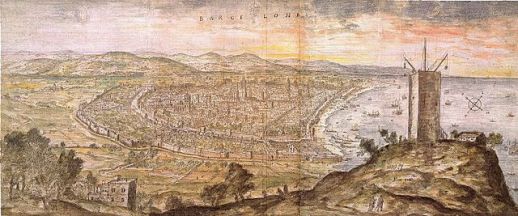
La cuestión catalana es, hoy como ayer, sobre todo histórico-afectiva, después política y, luego, económica. Desde 1980 y sobre todo desde 2010, el 11 de septiembre de cada año se movilizan enormes masas de ciudadanos en Cataluña para manifestarse a favor de la independencia. La Diada es la fiesta nacional que conmemora la caída de Barcelona ante las tropas de Felipe V, nieto de Luis XIV, el 11 de septiembre de 1714.  En cuarenta años desde la Transición a la democracia, el problema catalán no ha hecho sino agravarse. Cerca del 40% del electorado catalán ya no se contenta con el Estatuto de Autonomía, que fue aprobado en dos tiempos: Primero, en 1979 y, de nuevo, con otras competencias añadidas, después del referéndum de 2006 (73,9% de voto favorable). La mayoría de la clase política catalana actual (unión circunstancial de independentistas de derecha y de extrema izquierda) considera la autonomía de la que ha beneficiado hasta ahora como muy insuficiente. No solamente el regionalismo, sino también el federalismo sobre el modelo suizo, alemán o de EE.UU. son vías muertas y enterradas. Ya no se quiere más que una cosa: dar el paso hacia la independencia.

El referéndum del 1 de octubre de 2017, organizado por las autoridades catalanas violando la Constitución (ley fundamental de la democracia española) ha demostrado esta voluntad secesionista. Una parodia de referéndum, abiertamente anticonstitucional, que fue ampliamente improvisada. No había listas electorales, las urnas estaban en la calle y donde los electores podían votar varias veces sin ser controlados. Según la Generalidad, el 90% de los votos fueron favorables a la independencia. La participación habría sido, según la misma fuente, del 42%  (2.200.000 personas sobre 5.300.000 llamadas a votar). Si quitamos el 10% del “no”, resulta entre un 38 y 40% del electorado que se habría manifestado a favor de la independencia.  De cualquier forma, después de décadas marcadas a la vez por la pusilanimidad del Gobierno central de Madrid y la combatividad creciente de los independentistas catalanes, la secesión no parece ya una hipótesis increíble.

Como todos los nacionalismos, el nacionalismo catalán encuentra su fuerza tanto en la conciencia y la voluntad de ser una comunidad con un destino,  como en la existencia de una lengua, un territorio y un particularismo histórico-cultural.  Pero, dicho esto, la historia milenaria de Cataluña y de su lengua son las claves para la comprensión de su identidad.

La provincia romana de Hispania citerior (mitad norte de la Península Ibérica) fue fundada en 195 a.C.  Era administrada desde Tarraco (la Tarragona actual), ciudad donde los visigodos se instalaron en 410 d.C. Al final del siglo VIII, después de la invasión musulmana, el imperio carolingio fijó su frontera político-militar en la parte oriental del Pirineo.  Era la famosa Marca Hispánica, organizada en condados, como los de Pallars, Ribagorza, Urgell, Cerdaña, Barcelona, Gerona, Osona, Ampurias y Rosellón.  A lo largo de los siglos siguientes, los condes de Barcelona desarrollaron su territorio mediante una serie de alianzas matrimoniales, herencias y conquistas.  En 1150, el conde Ramón Berenguer IV contrae matrimonio con Petronila de Aragón. Su hijo Alfonso II se convierte en rey de Aragón y conde de Barcelona. Otra unión dinástica con consecuencias capitales para España: el matrimonio de Fernando de Aragón e Isabel la Católica, reina de Castilla, en 1469, que permite unificar el país, aunque cada reino conserva sus instituciones y leyes propias.  En el siglo XVI, Cataluña tuvo un virrey, el arzobispo de Tarragona, nombrado por el emperador Carlos V. Por primera vez, el territorio aparece gobernado como una región unificada.

A lo largo de la guerra de los Treinta Años (1618-1648) los franceses conquistan el Rosellón. Para hacer frente a los gastos de guerra, el conde-duque de Olivares, Primer Ministro de Felipe IV, decide aumentar los impuestos y reclutar soldados catalanes. Estas medidas provocan inmediatamente la hostilidad de los campesinos y de una parte de las autoridades catalanas. Los obispos de Vic y Barcelona se presentan en su capital a la cabeza de 3.000 campesinos rebeldes.  El 16 de enero de 1641, el Presidente de la Generalidad, Pau Claris, proclama la República independiente de Cataluña bajo la protección del rey de Francia. Pero duda, lo reconsidera y, el 23 del mismo mes, somete completamente Cataluña a Luis XIII de Francia.  Felipe V la recuperará, sin el Rosellón, diez años más tarde en la firma del Tratado de los Pirineos (1659).

A la muerte de Carlos II, “el Hechizado”, último monarca de los Habsburgo, una guerra de sucesión estalla entre dos pretendientes: Felipe V, de la Casa de Borbón, nieto de Luis XIV, y el Archiduque Carlos de Austria (futuro Carlos VI, soberano del Sacro Imperio).  Castilla y Navarra se unen sin dudarlo al bando de Felipe V, pero la Corona de Aragón, que posee el territorio de Cataluña, se pronuncia por Carlos III.  Después de varios años de conflicto (1701-1715), los Borbones ganan la guerra. Tras su victoria, Felipe V firma los Decretos de Nueva Planta (1707-1716) que siguen el modelo francés de centralización del Estado y que modifican profundamente las instituciones tradicionales de “las Españas” (fueros, costumbres y libertades civiles de los reinos de Castilla, Aragón, Valencia, Mallorca y Principado de Cataluña se ven limitados y reducidos).

Las primeras disposiciones legales contra la lengua catalana se adoptan en los siglos XVIII y XIX por reformistas francófilos, masones y liberales de izquierda. Para ellos, el castellano debe ser la lengua modernizadora de España a imagen del francés en Francia. La lista de personalidades de esta élite ilustrada es muy clara: encontramos al conde de Aranda, al conde de Floridablanca, Manuel Godoy, Manuel José Quintana, Juan Álvarez Mendizábal, Claudio Moyano, Leopoldo O´Donnell, Práxedes Mateo Sagasta o el conde de Romanones.  

En 1812, después de la invasión de Napoleón, Cataluña es dividida en cuatro departamentos e incorporada al Imperio francés. La ciudadanía no tarda en rebelarse como en el resto de España y se fuerza al ocupante a retirarse en 1814.  España sale exhausta de la aventura napoleónica. De nuevo en 1823 un contingente de la armada francesa interviene (los Cien Mil Hijos de San Luis) pero, esta vez, con el acuerdo de la Santa Alianza. Las guerras de independencia hispanoamericanas (1810-1823) dan la puntilla al Imperio español.  Construido sobre el modelo liberal-jacobino francés, el Estado-Nación que le reemplaza nunca llegará a consolidarse del todo.  A lo largo del siglo XIX, los golpes de estado militar/liberales se suceden a buen ritmo (treinta y tres golpes sobre treinta y cinco son “progresistas” de 1814 a 1884). En varias ocasiones, la guerra civil estalla. La Primera Guerra Carlista (1833-1840) opone la España tradicional del infante Carlos de Borbón a la España liberal de los partidarios de Isabel II.  Cataluña se moviliza ampliamente a favor de los carlistas.  Realiza la misma elección durante la Segunda Guerra Carlista (1846-1849) y su territorio es incluso el teatro principal de operaciones militares.

A partir del segundo tercio del siglo XIX, el movimiento cultural “Renaixença” comienza a desarrollarse.  Contribuye a la supervivencia de las tradiciones y de la lengua catalana. Tiene el apoyo de la Iglesia, a través  del obispo y escritor Torras y Bages,  y del sacerdote y poeta Jacinto Verdaguer.  Las normas del catalán moderno serían fijadas más tarde, a comienzos del siglo XX, por el lingüista Pompeu Fabra.

El catalanismo político nace, por otra parte, en 1880.  Sus primeras personalidades más notorias son los federalistas republicanos Francisco Pi y Margall (Presidente de la Primera República española, en 1873) y Valentí Almirall.  Se fundan tres partidos en pocos años: La Lliga de Catalunya, en 1887, Unió catalanista en 1891 y al Lliga Regionalista de Enric Prat y Francesc Cambó, en 1901. La ideología de estos partidos es regionalista, conservadora e interclasista. Su principal éxito es la obtención de la Mancomunidad de Cataluña en 1914.  Esta institución funciona hasta  1925. Agrupa las cuatro provincias catalanas (Barcelona, Tarragona, Lérida y Gerona) y permite una cierta gestión político-administrativa común.

Los años 1922 y 1931 ven el nacimiento de otros dos partidos independentistas de centro-izquierda: Estat Catalá, del militar y masón Francesc Macià, y Esquerra Republicana, de F. Macià, Lluís Companys y Josep Tarradellas.  En esa época, los inmigrantes que se ven atraídos por la Cataluña industrial vienen de las clases populares del sur de España y son profundamente antinacionalistas. Simpatizan y militan sobre todo en la CNT anarquista, pero también en la federación catalana del PSOE, y consideran el nacionalismo catalán como un movimiento burgués. Sus descendientes, de origen principalmente andaluz, constituyen hoy una buena parte de la población catalana.

Tras la llegada de la Segunda República (14 de abril de 1931), el presidente de Esquerra Republicana, Francesc Macià, proclama desde el Palacio de la Generalidad: “La República catalana como estado integrante de la Federación ibérica”. Un año y medio más tarde, el 9 de septiembre de 1932, las Cortes españolas adoptan el primer Estatuto de Autonomía de Cataluña. A partir de entonces, existen un gobierno y un parlamento en Barcelona. Pero en octubre de 1934, en medio de la revolución socialista, el presidente de la Generalidad, Lluís Companys, ofrece su apoyo a los revolucionarios contra el gobierno de la República dirigida por el líder del Partido Radical, Alejandro Lerroux. Por su parte, Companys afirma desde el balcón de la Generalidad: “El Gobierno que yo presido asume todas las facultades del poder en Cataluña y proclama el Estado catalán en la República Federal Española”.  Pero después del fracaso de la revolución socialista, el Estatuto de Autonomía es suspendido por el Gobierno central. No será restablecido hasta después de las elecciones de febrero de 1936, tras la victoria del Frente Popular.

Después de la Guerra Civil (1936-1939), bajo la dictadura de Franco (1939-1975), el nacionalismo y el separatismo catalanes son severamente reprimidos. La oposición nacionalista y separatista catalanas están prácticamente ausentes durante el franquismo. La única resistencia seria y amenazadora para el régimen viene entonces de los anarquistas, los comunistas y los nacionalistas vascos. No hay que olvidar tampoco que, durante la Guerra Civil, una parte del catalanismo político (sobre todo los miembros de la Lliga Regionalista y de la Lliga Catalana de Francesc Cambó) combatió con convicción en las filas del bando nacional.  Buen número de catalanes acogió con entusiasmo a las tropas de Franco en Barcelona, en enero de 1939.  Entre los vencedores, hay intelectuales y artistas catalanes prestigiosos como Josep Pla, Eugenio d´Ors, Salvador Dalí, José María Sert, Fernando Valls Taberner o Martín de Riquer.  Durante los primeros años del régimen franquista, la lengua catalana es reprimida y combatida como “vehículo del separatismo”. Pero a partir de 1944-1950 una cierta liberalización cultural permite la enseñanza de la filología catalana, la publicación de libros y las representaciones teatrales en catalán. Cataluña será una de las regiones que se beneficiará más del “milagro económico español” de los años 1959-1973.

En 1978, la Constitución de la España democrática generaliza el principio autonómico. Se crean diecisiete comunidades autónomas (más dos ciudades autónomas, Ceuta y Melilla). Cataluña es definida como “nacionalidad” y el catalán es declarado oficial al mismo nivel que el español. Durante veintiocho años (de 1980 a 2003 y de 2010 a 2015) Cataluña tiene gobiernos de los nacionalistas de CiU, una federación de partidos cuya ideología es liberal y demócrata-cristiana.  Una coalición de izquierdas (PSC, Iniciativa per Catalunya Verds y nacionalistas de Esquerra Republicana) conseguirá el poder durante siete años solamente.  
Durante las últimas elecciones al Parlamento de Cataluña, en septiembre de 2015, las dos coaliciones independentistas que apoyan el proceso de secesión de España y que reivindican también la Cataluña francesa, Junts pel sí y la CUP, obtienen la mayoría de escaños (respectivamente 62 y 10 sobre un total de 135). El nacionalismo radical es hoy, sin ninguna duda, la fuerza política hegemónica de Cataluña. Pero en el futuro tendrán que gestionar el aumento constante del número de inmigrantes extranjeros (15% de la población, en particular de origen africano) y la presencia mayoritaria de castellano-parlantes (57% de la población).

¿Cataluña con o sin España? La respuesta pertenece teóricamente al conjunto del pueblo español, y no solo al pueblo catalán.  La Constitución española reconoce y garantiza el derecho a la autonomía de las nacionalidades y de las regiones, pero apuntilla que “tiene como fundamento la unidad indisoluble de la nación española, patria común e indivisible de todos los españoles”.  Fuera de la revolución, la única vía posible para la autodeterminación es: Primero, que el Parlamento catalán proponga a las Cortes Generales una reforma de la Constitución y, segundo, que el pueblo español se pronuncie democráticamente en última instancia.

Dicho esto, en la práctica y por voluntad de la clase política española, la respuesta depende también en buena medida de lo que digan las autoridades de la Unión Europea. “Los kosovares nos han enseñado el camino a seguir”, repiten incansablemente los independentistas catalanes.  Les gusta también compararse a los irlandeses reprimidos por los británicos. Pero, ironías de la Historia, la cuestión es que los catalanes no han sido nunca víctimas de un Estado jacobino centralista y represivo, como suelen decir, ni tampoco “robados y condenados a pagar por el resto de España”. Antes al contrario, Cataluña siempre ha sido una de las regiones más privilegiadas de España.  En cuanto a la comparación que les gusta hacer a los independentistas catalanes entre, por un lado, los neoliberales españoles (conservadores liberales del PP y socio-liberales del PSOE), todos mundialistas, atlantistas, multiculturalistas y eurófilos y, por otro lado, los “liberales jacobinos” y los “franquistas/fascistas” de antaño, eso es una gran patraña.

inglaterra

On November 30, 1934, a young Madrilenian deputy declared in the Spanish Parliament: «(…) for many, the Catalan problem is a simple artifice and, for others, it is nothing more than a matter of greed; however, these two attitudes are perfectly unjust and unwise. Catalonia is many things at once, and much deeper than a simple village of merchants. Catalonia is a deeply sentimental town; the problem of Catalonia is not about imports and exports; is a problem – very difficult – a problem of feelings «. Jordi Pujol, president of the Generalitat for nearly a quarter of a century, said one day of the author of those phrases that he was one «of those who had understood Catalonia better, and in very difficult circumstances» (Time, December 22, 1997 , no. 816). To scandal of the guardians of the historically correct, he was referring to the lawyer and founder of the Spanish Falange, Jose Antonio Primo de Rivera.

The Catalan question is, today as yesterday, above all historical-affective, then political and then economic. Since 1980 and especially since 2010, on September 11 of each year, huge masses of citizens are mobilizing in Catalonia to demonstrate in favor of independence. La Diada is the national holiday that commemorates the fall of Barcelona to the troops of Felipe V, grandson of Louis XIV, on September 11, 1714. In forty years from the Transition to democracy, the Catalan problem has only aggravated. About 40% of the Catalan electorate is no longer content with the Statute of Autonomy, which was approved in two stages: First, in 1979 and, again, with other powers added, after the 2006 referendum (73.9% favorable). The majority of the current Catalan political class (a circumstantial union of right wing and extreme left independentistas) considers the autonomy of the one that has benefited until now as very insufficient. Not only regionalism, but also federalism on the Swiss, German, or US model. are dead and buried. We want nothing more than to take the step towards independence.

The referendum of October 1, 2017, organized by the Catalan authorities violating the Constitution (fundamental law of Spanish democracy) has demonstrated this secessionist will. A parody of a referendum, openly unconstitutional, that was largely improvised. There were no electoral lists, polls were on the street and voters could vote several times without being checked. According to the Generalitat, 90% of the votes were in favor of independence. The participation would have been, according to the same source, of 42% (2,200,000 people over 5,300,000 calls to vote). If we remove 10% of the «no», it is between 38 and 40% of the electorate that would have been in favor of independence. In any case, after decades marked both by the pusillanimity of the central Government of Madrid and the growing combativity of the Catalan independence, secession does not seem an incredible hypothesis.

Like all nationalisms, Catalan nationalism finds its strength both in the consciousness and the will to be a community with a destination, as in the existence of a language, a territory and a historical-cultural particularism. But, with that said, the millennial history of Catalonia and its language are the keys to the understanding of its identity.

The Roman province of Hispania citerior (northern half of the Iberian Peninsula) was founded in 195 BC. It was administered from Tarraco (the present Tarragona), city where the visigodos settled down in 410 d.C. At the end of the eighth century, after the Muslim invasion, the Carolingian empire established its political-military border in the eastern part of the Pyrenees. It was the famous Marca Hispánica, organized in counties, such as Pallars, Ribagorza, Urgell, Cerdanya, Barcelona, ​​Gerona, Osona, Ampurias and Roussillon. Over the following centuries, the counts of Barcelona developed their territory through a series of matrimonial alliances, inheritances and conquests. In 1150, Count Ramon Berenguer IV married Petronila de Aragón. His son Alfonso II becomes king of Aragon and count of Barcelona. Another dynastic union with capital consequences for Spain: the marriage of Fernando de Aragón and Isabel la Católica, queen of Castile, in 1469, that allows to unify the country, although each kingdom retains its own institutions and laws. In the sixteenth century, Catalonia had a viceroy, the archbishop of Tarragona, appointed by the Emperor Charles V. For the first time, the territory appears governed as a unified region.

Throughout the War of the Thirty Years (1618-1648) the French conquer the Roussillon. To cope with the war costs, the Count-Duke of Olivares, Prime Minister of Philip IV, decides to raise taxes and recruit Catalan soldiers. These measures immediately provoke the hostility of the peasants and a part of the Catalan authorities. The bishops of Vic and Barcelona appear in their capital at the head of 3,000 rebellious peasants. On 16 January 1641, the President of the Generalitat, Pau Claris, proclaimed the independent Republic of Catalonia under the protection of the King of France. But he doubts, he reconsiders, and on the 23rd of the same month, he completely subjects Catalonia to Louis XIII of France. Felipe V will recover it, without the Rosellón, ten years later in the signing of Treaty of the Pyrenees (1659).

At the death of Charles II, the last monarch of the Habsburgs, a war of succession broke out between two suitors: Philip V of the House of Bourbon, grandson of Louis XIV, and Archduke Charles of Austria VI, ruler of the Holy Empire). Castile and Navarre unite without doubt to the side of Felipe V, but the Crown of Aragon, that owns the territory of Catalonia, is pronounced by Carlos III. After several years of conflict (1701-1715), the Bourbons won the war. After his victory, Philip V signed the New Plant Decrees (1707-1716) which follow the French model of centralization of the State and which profoundly modify the traditional institutions of «the Spains» (fueros, customs and civil liberties of the kingdoms of Castile , Aragon, Valencia, Mallorca and Principality of Catalonia are limited and reduced).

The first legal provisions against the Catalan language were adopted in the eighteenth and nineteenth centuries by Francophile reformers, Freemasons and left-wing liberals. For them, Spanish must be the modernizing language of Spain in the image of French in France. The Count of Aranda, the Count of Floridablanca, Manuel Godoy, Manuel José Quintana, Juan Álvarez Mendizábal, Claudio Moyano, Leopoldo O’Donnell, Práxedes Mateo Sagasta, and the Count of Romanones .

In 1812, after the invasion of Napoleon, Catalonia is divided into four departments and incorporated into the French Empire. The citizenship is not slow in rebelling as in the rest of Spain and the occupant is forced to retire in 1814. Spain leaves exhausted of the Napoleonic adventure. Again in 1823 a contingent of the French army intervened (the Hundred Thousand Sons of St. Louis) but, this time, with the agreement of the Holy Alliance. The Spanish-American wars of independence (1810-1823) give the Spanish empire lace. Built on the French liberal-Jacobin model, the Nation-State that replaces it will never become fully consolidated. Throughout the nineteenth century, military / liberal coups d’etat succeeded at a good pace (thirty-three strokes out of thirty-five were «progressives» from 1814 to 1884). On several occasions, the civil war breaks out. The First Carlista War (1833-1840) opposes the traditional Spain of the infant Carlos de Borbón to the liberal Spain of the supporters of Isabel II. Catalonia is widely mobilized in favor of the Carlist. It made the same election during the Second Carlist War (1846-1849) and its territory is even the main theater of military operations.

From the second third of the nineteenth century, the cultural movement «Renaixença» begins to develop. It contributes to the survival of traditions and the Catalan language. It has the support of the Church, through the bishop and writer Torras and Bages, and the priest and poet Jacinto Verdaguer. The norms of modern Catalan would be fixed later, at the beginning of century XX, by the linguist Pompeu Fabra.

Political Catalanism was born, moreover, in 1880. His earliest personalities were Republican federalists Francisco Pi y Margall (President of the First Spanish Republic in 1873) and Valentí Almirall. Three parties are founded in a few years: The Lliga de Catalunya, in 1887, Unió Catalanista in 1891 and the Regionalist Lliga of Enric Prat and Francesc Cambó, in 1901. The ideology of these parties is regionalist, conservative and interclassist. Its main success is the obtaining of the Commonwealth of Catalonia in 1914. This institution works until 1925. It groups the four Catalan provinces (Barcelona, Tarragona, Lérida and Gerona) and allows a certain common political-administrative management.

The years 1922 and 1931 saw the birth of two other center-left independence parties: Estat Catalá, military and mason Francesc Macià, and Esquerra Republicana, by F. Macià, Lluís Companys and Josep Tarradellas. At that time, immigrants who are attracted to industrial Catalonia come from the popular classes of southern Spain and are deeply anti-nationalist. They sympathize and militate above all in the anarchist CNT, but also in the Catalan federation of the PSOE, and consider Catalan nationalism as a bourgeois movement. Their descendants, of mainly Andalusian origin, constitute today a good part of the Catalan population.

After the arrival of the Second Republic (April 14, 1931), the president of Esquerra Republicana, Francesc Macià, proclaims from the Palace of the Generalitat: «The Catalan Republic as a member state of the Iberian Federation.» A year and a half later, on September 9, 1932, the Spanish Cortes adopted the first Statute of Autonomy of Catalonia. Since then, there is a government and a parliament in Barcelona. But in October of 1934, in the middle of the socialist revolution, the President of the Generalitat, Lluís Companys, offered his support to the revolutionaries against the government of the Republic led by the leader of the Radical Party, Alejandro Lerroux. For its part, Companys states from the balcony of the Generalitat: «The Government that I preside assumes all the powers of power in Catalonia and proclaims the Catalan State in the Federal Republic of Spain.» But after the failure of the socialist revolution, the Statute of Autonomy is suspended by the central government. It will not be restored until after the elections of February 1936, after the victory of the Popular Front.

After the Civil War (1936-1939), under Franco’s dictatorship (1939-1975), Catalan nationalism and separatism were severely repressed. The Catalan nationalist and separatist opposition are practically absent during the Franco regime. The only serious and threatening resistance to the regime comes then from the anarchists, communists and Basque nationalists. It should not be forgotten that during the Civil War a part of the political Catalanism (especially the members of the Regionalist Lliga and the Catalan Lliga of Francesc Cambó) fought with conviction in the ranks of the national side. Among the winners, there are prestigious Catalan intellectuals and artists such as Josep Pla, Eugenio d’Ors, Salvador Dalí, José María Sert, Fernando Valls Taberner, and others. Martin de Riquer. During the first years of the Franco regime, the Catalan language is repressed and fought as a «vehicle of separatism». But from 1944-1950 a certain cultural liberalization allowed the teaching of Catalan philology, the publication of books and theatrical performances in Catalan. Catalonia will be one of the regions that will benefit most from the «Spanish economic miracle» of 1959-1973.

In 1978, the Constitution of democratic Spain generalized the autonomic principle. Seventeen autonomous communities are created (plus two autonomous cities, Ceuta and Melilla). Catalonia is defined as «nationality» and Catalan is declared official at the same level as Spanish. For twenty-eight years (from 1980 to 2003 and from 2010 to 2015) Catalonia has governments of the nationalists of CiU, a federation of parties whose ideology is liberal and Christian-Democrat. A leftist coalition (PSC, Iniciativa per Catalunya Verds and nationalists of Esquerra Republicana) will gain power for only seven years.

During the last elections to the Parliament of Catalonia, in September 2015, the two pro-independence coalitions that support the process of secession of Spain and which are also claimed by French Catalonia, Junts pel Yes and CUP, obtain the majority of seats (respectively 62 and 10 out of a total of 135). Radical nationalism is today, without a doubt, the hegemonic political force of Catalonia. But in the future they will have to manage the constant increase in the number of foreign immigrants (15% of the population, in particular of African origin) and the majority presence of Spanish-speakers (57% of the population).

Catalonia with or without Spain? The answer belongs theoretically to the whole of the Spanish people, and not only to the Catalan people. The Spanish Constitution recognizes and guarantees the right to autonomy of nationalities and regions, but points out that «it is based on the indissoluble unity of the Spanish nation, common and indivisible homeland of all Spaniards.» Outside of the revolution, the only possible way for self-determination is: First, that the Catalan Parliament propose to the Cortes Generales a reform of the Constitution and, secondly, that the Spanish people pronounce democratically in the last instance.

That said, in practice and by the will of the Spanish political class, the answer also depends to a large extent on what the authorities of the European Union say. «The Kosovars have taught us the way to go,» the Catalan independenceists repeat tirelessly. They also like to compare themselves to the Irish repressed by the British. But ironies of history, the question is that the Catalans have never been victims of a centralist and repressive Jacobin state, as they say, nor «stolen and doomed to pay for the rest of Spain.» On the contrary, Catalonia has always been one of the most privileged regions of Spain. As for the comparison that Catalan independentistas like to make between, on the one hand, the Spanish neoliberals (liberal conservatives of the PP and socio-liberals of the PSOE), all of them world-wide, Atlantian, multiculturalist and eurófilos, and, on the other hand, the «Jacobin liberals» and the «Francoist / fascist» of yesteryear, that’s a big hoax.


Texto original en idioma francés / Original text in French: http://cerclearistote.com/comprendre-la-question-catalane/

LA HERMANDAD MUSULMANA: REALIDADES DEL TERRORISMO MUSULMÁN Y NOCIONES BÁSICAS PARA CALLAR A LOS OCCIDENTALES PRO ISLAMISTAS. / THE MUSLIM BROTHERHOOD: REALITIES OF MUSLIM TERRORISM AND BASIC NOTIONS TO CALL THE PRO ISLAMIST WESTERN.

muslimbro_w5hhv_600x0

Por/By vaktar111 en/in ISLAMISMO ¿RADICAL?

THE MUSLIM BROTHERHOOD. HERMANOS MUSULMANES.

INTRODUCCION

Esto va dirigido a los estúpidos progres y liberales de mentira que odian su cultura para que se topen con la realidad de la cosas, aparte de servir como una fuente de conocimiento para todos aquellos interesados en saber cómo son realmente las cosas con la violencia islámica, la cual llevamos sufriendo 1400 años, pero que en el pasado siglo y lo que llevamos de este tiene un denominador común: LA HERMANDAD MUSULMANA.

¿Quiénes son estos tipos? ¿Qué organización es esta? ¿Qué hacen?

Durante los años de Obama, era muy común retratar a los hermanos musulmanes entre la administración USA y todos sus acólitos occidentales como una organización moderada, y una opción ante otros grupos musulmanes “más radicales”. Incluso el director de inteligencia nacional americana, James Clapper increíblemente tachaba a la organización como ·fundamentalmente secular”……. Vete tú a saber qué tipo de prebendas recibía el tipo del islam. Es realmente inquietante que estamentos yanquis de ese calado puedan hacer esas declaraciones y fumarse un puro. Igualmente John Esposito de la universidad de Georgetown clamaba que “Los hermanos musulmanes y sus movimientos y grupos afiliados han sido una importante fuerza de democratización y estabilidad en oriente medio”. Vaya tela!!

Por otro lado, y fíjate por donde, los emiratos Árabes unidos designaban formalmente a los hermanos musulmanes y sus afiliados locales e internacionales, incluyendo a CAIR, Council of american-islamic relations, como grupos terroristas internacionales. Tiene que venir un país árabe del golfo, totalmente islámico, a llamar las cosas por su nombre, hay que joderse. No creo tener que recordar a nadie que CAIR es un grupo todavía legalizado en USA y plenamente activo. Una revisión gubernamental británica comisionada paea este asunto así comenta:

“Partes de los hermanos musulmanes tienes una peligrosa y muy ambigua relación con el extremismo violento. Ambas como una ideología y como una red que ha servido de base para que muchos musulmanes se hayan involucrado personalmente en la violencia terrorista”

En USA, el senador Ted Cruz , republicano elegido por Texas, y otro republicano, Mario Díaz-Balart de Florida han introducido recientemente legislación para designar explícitamente a los hermanos musulmanes como una organización terrorista. En Febrero de 2016, la casa del comité judicial de USA aprobó una resolución llamando al departamento de estado a que señalaran a los hermanos musulmanes como una organización terrorista extranjera. En Julio de 2016, otro senador republicano, Dave Brat introdujo “el acta de denominación del enemigo dentro de la seguridad interna americana”, un papel que prohíbe al departamento de seguridad interior expresamente financiar o colaborar con organizaciones o personas asociadas a los HM.

La cuestión es: ¿Qué visión es correcta? Sin duda, la segunda. Los HM han sido una organización militarizada desde su concepción  y han operado como una entidad terrorista durante casi un siglo. Ha tenido influencia en el establecimiento de las más modernas organizaciones terroristas suníes, incluyendo Al-qaeda, al-Gama´al-islamiyya, Hamas y el daesh. Estos grupos o han sido fundados por miembros actuales o pasados de los HM, o han sido directamente inspirados, adoctrinados o reclutados por sus miembros y literatura. Contrariamente a lo que los HM propagan entre los occidentales, la violencia musulmana no es algo del pasado, sino una actividad que promueven hoy en día.

TRASFONDO HISTÓRICO

La hermandad musulmana fue fundada en 1928 por Hassan al-Banna (1906-49), un profesor de escuela egipcio, y relojero a tiempo parcial, en una pequeña ciudad al norte de El Cairo. Llevado por una profunda devoción sostenida en su casa, entró en la escuela Hanbali de jurisprudencia islámica, muy popular ente el wahabismo y los jihadistas salafistas. Banna se involucró en actividades islamistas desde muy joven, uniéndose a grupos que intimidaban y acosaban a cristianos y musulmanes no devotos en su localidad.  Estaba obsesionado con las sociedades secretas, las sectas y las ordenes fraternales, las cuales florecieron en Egipto en esos tiempos, y esa obsesión le llevó a formar la hermandad musulmana como una secta de fraternidad con su propia milicia secreta, al-Tazim al-Khass (el aparato especial, también conocido como el aparato secreto), cargada de estrategias, financiamiento y entrenamiento militar para actividades terroristas.

Durante las primeras décadas de existencia, el aparato especial llevó a cabo numerosos actos de violencia política en Egipto, notablemente el asesinato en 1947 del juez Ahmed Khazinder Bey, y en 1948, el asesinato del primer ministro Mahmoud Nuqrashi Pasha, quien  estaba considerando ilegalizar la organización de los HM. Al mismo tiempo, y de acuerdo con un memorándum de inteligencia estadounidense, los comandos de la hermandad poseían zulos llenos de armas, entre 60 y 70.000 rifles. Esto fue acompañado por la infiltración en el ejército egipcio, incluyendo el grupo conspirativo de oficiales libres, quienes en 1952 derribaron la monarquía en un golpe de estado.

Este aparato especial estuvo involucrado en decenas de atentados con bombas contra todo tipo de personas, negocios e infraestructuras. De hecho, la policía consiguió confiscar cientos de bombas en una operación.

Después del asesinato de Banna en 1949, Hassan Hudaybi, quien le sustituyó como máximo responsable o general guía (al-Murshid al-Amm) proclamó haber disuelto el aparato secreto para aliviar la persecución que sufrían del movimiento, aunque fue arrestado en 1965 junto con otros líderes de los HM por el hecho de formar una nueva milicia que se dedicó al entrenamiento militar con el objetivo de asesinar al presidente Gamal Abdel Nasser. Hudaybi consiguió escapar con una sentencia de tres años de cárcel (El máximo ideólogo de la hermandad Sayyed Qutb fue ejecutado en 1966 junto con otros dos líderes); y su negación falsa de la rama militar de la hermandad musulmana  se ha convertido en una táctica de la misma hasta nuestros días.

INFRAESTRUCTURA DE BASE

A pesar de esa negación, a finales de los 60 y principios de los 70 se observó la formación de varios grupos terroristas dependientes de los HM, pero bajo banderas ostensiblemente independientes.  El primero de dichos grupos fue Gama´at al-Muslimin, comúnmente conocido como Takfir wa-l-Hijra (excomunión y emigración), formado por dos líderes del aparato secreto liberados de prisión: Shukri Mustafa y Sheikh Ali Ismael, hermano del líder de HM Fattah Ismael, quien fue ejecutado junto con Qutb. Otro grupo terrorista creado en aquellos tiempos fue al-Gama´a al-Islamiya (GI, el grupo islámico), quienes fueron responsables en Octubre de 1981 del asesinato del presidente egipcio Anwar Sadat. Ambos grupos fueron fundados por líderes activos de la hermandad, quienes nunca declararon haber dejado la organización o el liderazgo en su seno. Incluso, en su último discurso, un mes antes de su asesinato, Sadat vinculaba al GI con la hermandad y expresaba su arrepentimiento por haber soltado a muchos de sus operativos de prisión.

Durante los 90, las autoridades egipcias batallaron contra una ola sostenida de terrorismo islamista que incluía ataques a oficiales del gobierno y, por supuesto, a la minoría cristiana copta, el asesinato de turistas extranjeros así como un audaz atentado contra la vida de del presidente Hosni Mubarak mientras estaba en Etiopía en junio del 95. Ese mismo año, el líder del GI,  la autoridad espiritual de los HM, Omar Abdel Rahman, conocido como el “sheikh ciego” y otros nueve fueron acusados y condenados por conspiración y sedición en conexión con los atentados de las torres gemelas en 1993. Abdel Rahman actualmente cumple cadena perpetua en una prisión federal en Carolina del Norte, y en el primer discurso de Muhammad Morsi como presidente egipcio en la plaza Tahrir, llamó a la liberación  del tipo encerrado en USA e hizo un reconocimiento expreso hacia la famila del sheikh que estaba presente entre la audiencia.

No menos importante fue la formación de la internacionalización del aparato del movimiento por el yerno de Banna, Said Ramadan. Habiendo huido de Egipto hacia Arabia Saudí en 1954, Ramadan se trasladó a Ginebra en 1958 donde estableció ese aparato internacional bajo la guía de Mustafa Mashour, cabeza del aparato secreto, y futuro general de los HM, y autor de su manifiesto militante: “La jihad es el camino”. El aparato internacional no estuvo totalmente operativo hasta mediados de los 80 cuando Mashour, que huyó de Egipto tras el asesinato de Sadat, se asentó en Alemania occidental en 1986 donde reestableció el aparato.

El aparato internacional no es responsable de las tareas públicas de la hermandad, pero está involucrado en la operación y financiación grupos terroristas responsables de ataques en suelo occidental. Chakib Ben Makhlouf, uno de los más prominentes líderes de la central en Ginebra, es también el presidente de la federación de organizaciones islámicas en Europa. Ha sido descrito por miembros del parlamento egipcio y el experto en terrorismo Abdel Rahim ali como “uno de los más peligrosos operativos del aparato internacional de la hermandad”. De acuerdo con el general de inteligencia Fouad allam, que investigó las operaciones de los 60 y 70, la central de la hermandad en Ginebra desvió fondos que ayudaron a fundar al-Gama´a al-Islamiyya.

INFLUENCIAS POSTERIORES

La operación más complicada del aparato internacional ha sido infiltrar, subvertir y reclutar operativos de entre los ejércitos, gobiernos, sistemas educativos y agencias de inteligencia de los estados objetivo de la hermandad, especialmente en occidente, en lo se llama la jihad civilizada.

Esta terminología data de 1991 y está documentado en “El memoradum explicativo”, bosquejado en una reunión que delineaba los objetivos estratégicos de los HM en Norte américa y se introdujo como prueba o evidencia en el jucio contra la Holy land foundation en 2008, el caso más grave de financiación terrorista en USA y su historia. En 2009, cinco líderes fueron acusados de proveer apoyo material a Hamas, la rama palestina de la hermandad, organización designada como terrorista.

Los años 80 y 90 fueron las dos décadas más importantes para la “jihad civilizada”. Durante este tiempo, Hamas se transformó desde una organización supuestamente caritativa buscando ganarse los corazones palestinos y sus mentes en una organización terrorista con todas las letras durante la primera intifada (diciembre del 87-Septiembre de 1993), y la semilla fue  plantada para el advenimiento de al-Qaeda a través del novedoso Maktab al-Khidamat (MAK, la oficina de servicios), también conocida como Maktab Khidamat al-Mujahidin al-Arab (la oficina de servicios de jihadistas árabes) y la oficina de servicios afganos.

Mientras lo jihadistas se unían en Afganistán y Pakistán para repeler la ocupación soviética, la hermandad estaba muy ocupada reclutando más jihadistas a través del MAK en Jordania. La filosofía de Azzam ayudó a establecer y organizar el movimiento global de la jihad de la hermandad, lo que le valió el alias de “el padre de la jihad global”. No menos importante, esta filosofía inspiró al GI y al grupo egipcio Jihad islámica para tratar de exportar el terrorismo e inspiró de forma seria a Osama bin Laden, a quien Azzam dio clases en una universidad Saudí.

En 1985, Azzam, bin laden y Ayman Zawahiri, líder de Takfir wa-a-Hijra que huyó de Egipto después del asesinato de Sadat, fundaron el MAK en Pakistán , la que se convirtió posteriormente en al-qaeda. Mientras tanto, la oficina de aman del MAK reclutabaa uno de los más brutales terroristas de nuestros tiempos, Abu Musab Zarqawi. Apadrinado por el antiguo líder de los HM Muhammad Maqdisi en 1999, Zarqawi fundó Jama´at al-Tawhid wa-l-Jihad (Organicación de monoteísmo y jihad), que seis años después evolucionó hasta convertirse en al-Qaeda en Iraq (AQI) después de que Zarqawi jurara fidelidad a Osama bin Laden en 2004.

Es decir, para todos aquellos conspiranoicos estúpidos, por favor, enteraros de las realidades y dejad de decir las tonterías esas de que los americanos crearon al-Qaeda o el Daesh. Todo tiene su comienzo en los hermanos musulmanes….. y su fín también.

Este grupo evolucionó hasta convertirse en lo que ahora es ISIS o DAESH después de la muerte de Zarqawi en junio de 2006. En una entrevista concedida en 2014 a Al-Arabiya News, El guía espiritual de la HM Yusuf Qaradawi admitía que el líder de Daesh era miembro de los Hermanos musulmanes. Por su parte, varios lideres de los HM públicamente anunciaban su apoyo a Daesh, incluyendo al Sheikh basado en Qatar Wadgy Ghoneim.

La naturaleza de la actual relación de al-Qaeda con la hermandad es de algún modo poco clara. Mientras Zawahiri argumentaba que la afiliación de bin Laden con la HM se cortó en los 80 debido a diferencias sobre la campaña anti soviética en Afganistan, esta afirmación era refutada por Tharwat Kherbawy, el rango más alto de los HM que haya desertado de la organización, y también por la evidencia que sugiere que la hermandad está todavía organizativamente involucrada con al-Qaeda. Así, por ejemplo, después de la salida del poder de Morsi en julio de 2013, Zawahiri sacó a la luz una declaración grabada en vídeo en su propio nombre donde critica a los jihadistas salafistas egipcios por no unirse formalmente al partido Libertad y Justicia de la HM para ayudarles a implementar la sharia. En otra declaración, Zawahiri criticaba al depuesto presidente de los HM por haberse involucrado en política con sus adversarios, pero también reclamaba su puesta en libertad y le apoyó mientras era juzgado por incitar al asesinato de oponentes del régimen y por espionaje de grupos extranjeros militantes, incluyendo Hamas, Hezbollah y el cuerpo de guardia revolucionaria iraní.

¿UN PARTIDO POLÍTICO O UN GRUPO JIHADISTA?

El apoyo sinsentido de la administración Obama por el régimen de Morsi y sus incansables intentos que presentar a la Hm como una organización moderada es absurdo. No sólo porque la hermandad es la base fundamental de los peores grupos terroristas del mundo en la actualidad, sino también porque la violencia es algo endémico de la razón de existir del grupo, es decir, reestablecer el califato via violenta jihad (¿La hay de alguna otra clase?) Si la HM se planteara dejar de lado su objetivo fundacional, perdería legitimidad y su única razón para existir. Este es el motivo por el cual Banna usaba terminología militar en la estructura del grupo, llamando al mismo “El batallón de alá”,  un término usado hasta hoy para “clarificar” las verdaderas intenciones y políticas de gobierno de los HM; este es el motivo por el cual el liderazgo de la hermandad incluye operativos que personalmente han estado involucrados en actividades terrorista, como por ejemplo, Abdel Moneim Abul Futuh. Pero incluso sabiendo  esto, surgirán hordas de tontos progres occidentales culpando de esa violencia al mismo occidente, la pobreza o que hay poco fútbol en oriente Medio.

Profundizando un poco, el aparato secreto de la organización permanece intacto y operativo para todos aquellos nuevos jihadistas que requieren entrenamiento militar por milicias como la brigada 95, que fue establecida en 1995 y que jugó un papel activo en los tumultos de enero de 2011 que llevaron a la caida de Mubarak. En una serie de entrevistas con al-Jazeera Televisión, Osama YASSIN, un anterior ministro del gabinete de Morsi, reveló que miembros de esa brigada se encargaban del secuestro, maltrato y torturas de “ elementos subversivos” y lanzaban cócteles molotov a sus oponentes. Preguntado por un periódico egipcio para clarificar estas cuestiones, la HM las desmentía y decía que eran ridículas. De todos modos, los operativos de la brigada fueron posteriormente sentenciados a muerte por asesinar a opositores de la hermandad. En marzo de 2014, por ejemplo, otros dos operativos fueron condenados a morir después de que un vídeo en internet los mostraba lanzando a un joven desde lo alto de un edificio, matándolo, obviamente.

De acuerdo con los raseros y la reglamentación interna de la HM, hay diez preceptos sólidos e inmutables (thawabit) en su organización bai´a (el juramento islámico de lealtad). El cuarto de estos preceptos es la jihad violenta y el martirio, los cuales la hermandad coloca como una obligación para cada musulmán de forma individual, así como colectivamente para la umma.

Desgraciadamente, tenemos a muchos “académicos” y progres de izquierdas en occidente, auto denominados especialistas (Si, tienen una diploma en casa de un doble grado: virtuosa ignorancia y manipulación), los cuales están recibiendo financiación de países “extranjeros” (¿Adivinas?) o se olvidan mucho de los hechos descritos en el párrafo anterior y se comprometen en una campaña de desinformación parecida al movimiento BDS.  Por ejemplo, un artículo del instituto Brookings le daba la vuelta al cuarto precepto anterior de la hermandad, diciendo sin ponerse colorados ni nada que está estipulado que “durante el proceso de establecer una democracia y una relativa libertad política, la hermandad musulmana se comprometía a jugar con las mismas reglas de una democracia y sus instituciones”. Toma Mahoma!!

La realidad, desde luego, es otra muy diferente. Después de la caída de Mubarak, la HM se estableció en el poder desde unas elecciones parecidas a las del 1-O de Cataluña hoy mismo, de chiste y con las mismas garantías, y cuyos resultados llevaron a su operativo mohammad Morsi al palacio presidencial: Pero esta violenta y antidemocrática elección, después de protestas y masa en todo el país, y que permitieron a los militares echar a Morsi del poder en un golpe sin sangre derramada.

LOS REFORMISTAS ISLÁMICOS

La sangrienta brutalidad de Daesh y varios de sus grupos afiliados o grupos terroristas inspirados en la hermandad en todo Oriente Medio ha llevado al nacimiento de un nuevo movimiento reformista que parece estar calando hondo, más incluso que el miedo a la hermandad. Pero este nuevo movimiento pacífico de reforma del islam no recibe atención en occidente (quite typical de la dictadura federal Europea y de las políticas hasta hace poco llevadas en US). Por ejemplo, islam Behery, uno de los heroicos líderes del movimiento reformista, fue encarcelado durante un año por blasfemia al “insultar” a la universidad al-Azhar y la doctrina sunni en su programa de televisión. Durante dos años, este show se ha dedicado diariamente a exponer la brutalidad y terrorismo de la doctrina sunni, y a la vez ofreciendo una interpretación liberal y no teocrática del islam que propugna la separación religión y estado. Lo mismito por lo que pasamos en occidente con el cristianismo unos siglos atrás. Behery recibió el perdón presidencial en diciembre de 2016, lo cual no tiene precedentes en la historia egipcia.

Otro activista por la reforma y la libertad de pensamiento es Ibrahim Issa, un popular comentarista egipcio, entrevistador de televisión y dueño y editor jefe del periódico de opinión independiente Al-Maqal. A principios de este año, Issa anunció que dejaba de emitir su show debido a la “situación actual”, todo ello propiciado en realidad por la presión Saudí sobre el régimen egipcio debido a las críticas de Issa contra la violenta secta wahabista de Arabia Saudí. El posicionamiento reformista de Issa lo ha colocado en una lista de objetivos “terroristas” desde 1992, y ha estado viviendo bajo tremendas medidas de seguridad desde entonces.  Su oposición a la HM ha hecho de él un objetivo prioritario, y en 2015, fue víctima de una Fatwa declarándole infiel.

Otra figura heroica del reformismo en el islam actualmente enfrentándose a la posibilidad de la cárcel por blasfemia es el popular autor y prominente secularista Sayyed Qemani. Su pecado: declarar que la universidad de al-Azhar debería ser considerada una organización terrorista y extrema. Behery, Qemany y sus seguidores tienen el apoyo de los medios masivos de comunicación y de sus comentaristas en Egipto y oriente medio, y han cambiado dramáticamente el discurso político del islam.  Incluso así, las audiencias occidentales desconocen totalmente la existencia de estos héroes.

La guerra de ideas parece coger momentum y dinamismo en el oriente medio de hoy. La vasta mayoría de musulmanes pacíficos de la región son marginados incluso por el apoyo occidental a la hermandad y su negación deliberada a designar a la Hm como organización terrorista.

CONCLUSIÓN

El culto de muerte de la hermandad es responsable de casi un siglo de terror desde que el joven Banna comenzó la intimidación y el acoso de sus vecinos cristianos y musulmanes moderados. Desde entonces, la hermandad estableció a Hamas como su rama palestina. Tres activistas de la HM establecieron al-Qaeda. Los líderes de la HM, desde las prisiones, fundaron al-Gama´a al- islamiyya y la jihad islámica egipcia. Miembros de la HM reclutaban al fundador de Jama´at al-Tawhid wa-l-Jihad que comenzó la tendencia de grabar y sacar a la luz vídeos de decapitaciones, y uno de sus antiguos operativos es actualmente el líder del califato y el estado islámico. La HM tiene también otras conexiones con organizaciones que los americanos tienen en su lista de grupos terroristas.  CAIR, ISNA, etc.

Ningún gobierno occidental puede esperar tener éxito en su guerra contra el terrorismo islámico si no cuenta con esas figuras reformistas musulmanas y la batalla de las ideas. Se debe dar a los musulmanes moderados una plataforma segura y de primera en occidente como voz para que ellos mismos denominen a la Hm como organización terrorista.

La hermandad ha declarado su intención de destruir la “miserable casa” occidental infiltrando la sociedad nuestra y las instituciones, subvirtiéndolas desde dentro. Designar al HM como terroristas parará los pies a los operativos en su intento de conseguir puestos de relevancia en las instituciones occidentales. Además de detener el flujo constante de dinero financiando actividades terroristas.

inglaterra

INTRODUCTION

This is aimed at stupid progressives and lie-liberals who hate their culture so that they come up against the reality of things, apart from serving as a source of knowledge for all those interested in knowing how things really are with Islamic violence , which we have been suffering for 1400 years, but which in the last century and what we carry from this has a common denominator: THE MUSLIM BROTHERHOOD.

Who are these guys? What organization is this? What do they do?

During the years of Obama, it was very common to portray the Muslim brothers between the US administration and all its Western acolytes as a moderate organization, and an option to other «more radical» Muslim groups. Even the director of American national intelligence, James Clapper incredibly dismissed the organization as fundamentally secular «……. Go and see what kind of pregender the type of Islam was receiving. It is really disturbing that Yankee estates of that draft can make those statements and smoke a cigar. Similarly, John Esposito of Georgetown University claimed that «The Muslim brothers and their movements and affiliated groups have been an important force for democratization and stability in the Middle East.» Wow!

On the other hand, and note where, the Arab emirates formally designated the Muslim brothers and their local and international affiliates, including CAIR, as international terrorist groups. It has to come an Arab country of the Gulf, totally Islamic, to call things by its name, you have to fuck. I do not think I have to remind anyone that CAIR is a group still legalized in the USA and fully active. A British government review commissioned for this matter comments as follows:

«Parts of the Muslim brothers have a dangerous and very ambiguous relationship with violent extremism. Both as an ideology and as a network that has served as the basis for many Muslims to have become personally involved in terrorist violence «

In the US, Senator Ted Cruz, Texas-elected Republican, and Republican Mario Díaz-Balart of Florida have recently introduced legislation to explicitly designate Muslim brethren as a terrorist organization. In February 2016, the House of the US Judiciary Committee passed a resolution calling on the State Department to point out to the Muslim brothers as a foreign terrorist organization. In July 2016, another Republican Senator, Dave Brat, introduced «the enemy’s naming act into American internal security,» a role that prohibits the home security department from expressly funding or collaborating with organizations or individuals associated with HM.

The question is: What vision is correct? Undoubtedly, the second. The HM have been a militarized organization since its inception and have operated as a terrorist entity for nearly a century. It has had influence in the establishment of the most modern Sunni terrorist organizations, including Al-qaeda, al-Gama’al-islamiyya, Hamas and daesh. These groups have either been founded by current or past MH members, or have been directly inspired, indoctrinated or recruited by their members and literature. Contrary to what MH propagates among Westerners, Muslim violence is not something of the past, but an activity they promote today.

HISTORICAL BACKGROUND

The Muslim Brotherhood was founded in 1928 by Hassan al-Banna (1906-49), an Egyptian school teacher, and part-time watchmaker, in a small town north of Cairo. Driven by a deep devotion sustained in his house, he entered the Hanbali school of Islamic jurisprudence, very popular among Wahhabism and Salafist jihadists. Banna became involved in Islamist activities from an early age, joining groups that intimidated and harassed non-devout Christians and Muslims in their locality. He was obsessed with secret societies, sects and fraternal orders, which flourished in Egypt at the time, and that obsession led him to form Muslim brotherhood as a sect of brotherhood with his own secret militia, al-Tazim al-Khass (the special apparatus, also known as the secret apparatus), loaded with strategies, financing and military training for terrorist activities.

During the first decades of existence, the special apparatus carried out numerous acts of political violence in Egypt, notably the assassination in 1947 of Judge Ahmed Khazinder Bey, and in 1948 the assassination of Prime Minister Mahmoud Nuqrashi Pasha, who was considering organization of HM. At the same time, and according to an American memorandum of intelligence, the guilds commanded rifles full of weapons, between 60 and 70,000 rifles. This was accompanied by infiltration into the Egyptian army, including the conspiracy group of free officers, who in 1952 overthrew the monarchy in a coup.

This special device was involved in dozens of bomb attacks against all types of people, businesses and infrastructures. In fact, the police managed to confiscate hundreds of bombs in one operation.

After the assassination of Banna in 1949, Hassan Hudaybi, who replaced him as the highest leader or general guide (al-Murshid al-Amm), proclaimed that he had dissolved the secret apparatus to alleviate the persecution they suffered from the movement, although he was arrested in 1965 along with other MH leaders for forming a new militia that was dedicated to military training with the aim of assassinating President Gamal Abdel Nasser. Hudaybi managed to escape with a sentence of three years in jail (The maximum ideologue of the brotherhood Sayyed Qutb was executed in 1966 along with two other leaders); and its false denial of the military branch of Muslim brotherhood has become a tactic of the same to this day.

BASIC INFRASTRUCTURE

In spite of this denial, in the late 1960s and early 1970s the formation of several HM-dependent terrorist groups was observed, but under ostensibly independent flags. The first of these groups was Gama’at al-Muslimin, commonly known as Takfir wa-l-Hijra (excommunication and emigration), formed by two leaders of the secret apparatus released from prison: Shukri Mustafa and Sheikh Ali Ismael, brother of the leader of HM Fattah Ismael, who was executed along with Qutb. Another terrorist group created in those days was al-Gama’a al-Islamiya (GI, the Islamic group), who were responsible in October 1981 for the assassination of Egyptian President Anwar Sadat. Both groups were founded by active brotherhood leaders, who never claimed to have left the organization or leadership within them. Even in his last speech, a month before his assassination, Sadat linked the GI with the brotherhood and expressed his regret for releasing many of his prison operatives.

During the 1990s, Egyptian authorities battled a sustained wave of Islamist terrorism that included attacks on government officials and, of course, the Coptic Christian minority, the murder of foreign tourists as well as a bold attempt on the life of President Hosni Mubarak while in Ethiopia in June 1995. That same year, the leader of the GI, the spiritual authority of the HM, Omar Abdel Rahman, known as the «blind sheikh» and nine others were charged and convicted of conspiracy and sedition in connection with the bombing of the twin towers in 1993. Abdel Rahman is currently serving a life sentence in a federal prison in North Carolina, and in the first speech of Muhammad Morsi as Egyptian president in Tahrir Square, he called for the release of the guy locked in the USA and made an express acknowledgment to the family of the sheikh who was present among the audience.

No less important was the formation of the internationalization of the apparatus of movement by Banna’s son-in-law, Said Ramadan. Having fled Egypt to Saudi Arabia in 1954, Ramadan moved to Geneva in 1958 where he established that international apparatus under the guidance of Mustafa Mashour, head of the secret apparatus, and future general of the MH, and author of his militant manifesto: «The jihad is the way. » The international apparatus was not fully operational until the mid-1980s when Mashour, who fled Egypt after Sadat’s assassination, settled in West Germany in 1986 where he re-established the apparatus.

The international apparatus is not responsible for the public tasks of the brotherhood, but is involved in the operation and financing terrorist groups responsible for attacks on western soil. Chakib Ben Makhlouf, one of the most prominent central leaders in Geneva, is also the president of the federation of Islamic organizations in Europe. It has been described by members of the Egyptian parliament and terrorism expert Abdel Rahim ali as «one of the most dangerous operations of the international brotherhood apparatus.» According to intelligence general Fouad Allam, who investigated the operations of the 60s and 70s, the central brotherhood in Geneva diverted funds that helped found al-Gama’a al-Islamiyya.

FOLLOWING INFLUENCES

The most complicated operation of the international apparatus has been to infiltrate, subvert and recruit operations from armies, governments, educational systems and intelligence agencies of the target states of the brotherhood, especially in the West, in what is called civilized jihad.

This terminology dates back to 1991 and is documented in «El memoradum explicativo», outlined in a meeting outlining the strategic objectives of the MH in North America and introduced as evidence or evidence in the trial against the Holy Land Foundation in 2008, the case most serious terrorist financing in the USA and its history. In 2009, five leaders were accused of providing material support to Hamas, the Palestinian branch of the brotherhood, an organization designated as a terrorist.

The 1980s and 1990s were the two most important decades for «civilized jihad.» During this time Hamas was transformed from a supposedly charitable organization seeking to win Palestinian hearts and minds in a terrorist organization with all the letters during the first intifada (December 87-September 1993), and the seed was planted for the advent of al-Qaeda through the novel Maktab al-Khidamat (MAK), also known as Maktab Khidamat al-Mujahidin al-Arab (the Arab jihadi service office) and the Afghan services office.

While jihadists united in Afghanistan and Pakistan to repulse the Soviet occupation, the guild was busy recruiting more jihadists through the MAK in Jordan. Azzam’s philosophy helped to establish and organize the global jihad movement of the brotherhood, which earned him the alias of «the father of global jihad.» Not least, this philosophy inspired the GI and the Egyptian Islamic Jihad group to try to export terrorism and seriously inspired Osama bin Laden, whom Azzam taught at a Saudi university.

In 1985, Azzam, bin Laden and Ayman Zawahiri, leader of Takfir wa-a-Hijra who fled Egypt after Sadat’s assassination, founded the MAK in Pakistan, which later became al-Qaeda. Meanwhile, the MAK-loving office recruited one of the most brutal terrorists of our time, Abu Musab Zarqawi. Supported by former HM leader Muhammad Maqdisi in 1999, Zarqawi founded Jama’at al-Tawhid wa-l-Jihad (Organization of monotheism and jihad), which six years later evolved into al-Qaeda in Iraq (AQI) after Zarqawi swore allegiance to Osama bin Laden in 2004.

That is to say, for all those stupid conspiranoics, please find out the realities and stop saying the nonsense that the Americans created al-Qaeda or the Daesh. Everything has its beginning in the Muslim brothers … .. and its end too.

This group evolved into what is now ISIS or DAESH after Zarqawi’s death in June 2006. In an interview in 2014 to Al-Arabiya News, The Spiritual Guide of HM Yusuf Qaradawi admitted that the leader of Daesh was a member of the Muslim Brotherhood. For their part, several HM leaders publicly announced their support for Daesh, including Qatari-based Sheikh Wadgy Ghoneim.

The nature of al-Qaeda’s current relationship with the brotherhood is somewhat unclear. While Zawahiri argued that bin Laden’s affiliation with HM was cut in the 1980s because of differences over the anti-Soviet campaign in Afghanistan, this claim was rebutted by Tharwat Kherbawy, the highest rank of HM who has defected from the organization, and also by evidence suggesting that the brotherhood is still organically involved with al-Qaeda. For example, after Morsi’s departure from power in July 2013, Zawahiri brought to light a videotaped statement in his own name where he criticized the Salafist Egyptian jihadists for not formally joining the party Freedom and Justice of the HM to help them implement sharia. In another statement, Zawahiri criticized the deposed MH president for engaging in politics with his opponents but also claimed his release and supported him while being tried for inciting the assassination of opponents of the regime and for espionage of militant foreign groups, including Hamas, Hezbollah and the Iranian revolutionary watch corps.

A POLITICAL PARTY OR A JIHADIST GROUP?

The Obama administration’s nonsense support for the Morsi regime and its tireless attempts to present Hm as a moderate organization is absurd. Not only because brotherhood is the fundamental basis of the worst terrorist groups in the world today, but also because violence is something endemic to the group’s reason for existence, that is, to re-establish the caliphate via violent jihad. any other class?) If HM were to set aside its foundational goal, it would lose legitimacy and its only reason to exist. This is why Banna used military terminology in the group’s structure, calling it «The Battalion of Allah», a term used today to «clarify» the true intentions and policies of government of the MH; this is why the leadership of the guild includes operatives who have personally been involved in terrorist activities, such as Abdel Moneim Abul Futuh. But even knowing this, there will be hordes of Western progressive fools blaming that violence on the West itself, poverty or that there is little football in the Middle East.

Further deepening, the organization’s secret apparatus remains intact and operative for all those new jihadists who require military training by militias such as Brigade 95, which was established in 1995 and which played an active role in the riots of January 2011 that led to the fall of Mubarak. In a series of interviews with al-Jazeera Television, Osama Yassin, a former cabinet minister of Morsi, revealed that members of the brigade were in charge of kidnapping, mistreatment and torture of «subversive elements» and casting Molotov cocktails at their opponents. Asked by an Egyptian newspaper to clarify these issues, the HM denied them and said they were ridiculous. However, the operatives of the brigade were later sentenced to death for murdering opponents of the brotherhood. In March 2014, for example, two other operatives were condemned to die after a video on the internet showed them throwing a young man from the top of a building, obviously killing him.

According to the standards and internal regulation of the HM, there are ten solid and immutable precepts (thawabit) in your Bai’a organization (the Islamic Pledge of Allegiance). The fourth of these precepts is violent jihad and martyrdom, which the brotherhood places as an obligation for each Muslim individually as well as collectively for the ummah.

Unfortunately, we have many «academics» and left-wing progress in the West, self-styled specialists (Yes, they have a diploma at home of a double degree: virtuous ignorance and manipulation), who are receiving funding from «foreign» countries (Guess?) or forget much of the facts described in the previous paragraph and commit in a disinformation campaign similar to the BDS movement. For example, an article from Brookings instituted the fourth precept of the brotherhood, saying without blushing or anything stipulated that «during the process of establishing a democracy and relative political freedom, the Muslim brotherhood was committed to play with the same rules of a democracy and its institutions. » Take Mohammed !!

The reality, of course, is quite another. After the fall of Mubarak, the HM established itself in power from elections similar to those of the 1-O of Catalonia today, of joke and with the same guarantees, and whose results led to its operative Mohammad Morsi to the presidential palace: But this violent and undemocratic election, after protests and mass throughout the country, and that allowed the military to throw Morsi’s power in a blow without bloodshed.

THE ISLAMIC REFORMISTS

The bloody brutality of Daesh and several of his affiliated groups or terrorist-inspired terrorist groups throughout the Middle East has led to the birth of a new reform movement that seems to be sinking, even more than the fear of brotherhood. But this new peaceful Islam reform movement does not receive attention in the West (quite typical of the European federal dictatorship and of policies until recently carried out in the US). For example, Islam Behery, one of the heroic leaders of the reform movement, was jailed for one year for blasphemy by «insulting» al-Azhar University and Sunni doctrine on his television show. For two years, this show has daily devoted itself to exposing the brutality and terrorism of the Sunni doctrine, and at the same time offering a liberal and non-theocratic interpretation of Islam that advocates separation of religion and state. The very same for what we spent in the West with Christianity a few centuries ago. Behery received the presidential pardon in December 2016, which is unprecedented in Egyptian history.

Another activist for reform and freedom of thought is Ibrahim Issa, a popular Egyptian commentator, television interviewer and owner and editor-in-chief of the independent opinion newspaper Al-Maqal. Earlier this year, Issa announced that he was quitting his show because of the «current situation», all in effect brought about by Saudi pressure on the Egyptian regime because of Issa’s criticism of the violent Wahhabist sect in Saudi Arabia. Issa’s reformist position has placed him on a list of «terrorist» targets since 1992, and has been living under tremendous security measures ever since. His opposition to HM has made him a priority target, and in 2015, he was a victim of a Fatwa declaring him unfaithful.

Another heroic figure of reformism in Islam currently facing the possibility of imprisonment for blasphemy is popular author and prominent secularist Sayyed Qemani. His sin: to declare that the university of al-Azhar should be considered a terrorist organization and extreme. Behery, Qemany and his followers have the support of the mass media and their commentators in Egypt and the Middle East, and have dramatically changed the political discourse of Islam. Even so, Western audiences are totally unaware of the existence of these heroes.

The war of ideas seems to catch momentum and dynamism in the middle east of today. The vast majority of peaceful Muslims in the region are marginalized even by Western support for the brotherhood and their deliberate refusal to designate Hm as a terrorist organization.

CONCLUSION

The brotherhood’s death cult is responsible for nearly a century of terror since the young Banna began intimidation and harassment of his Christian neighbors and moderate Muslims. Since then, the brotherhood established Hamas as its Palestinian branch. Three HM activists established al-Qaeda. HM leaders, from prisons, founded al-Gama’a al-islamiyya and Egyptian Islamic jihad. Members of the HM recruited the founder of Jama’at al-Tawhid wa-l-Jihad who began the trend of recording and bringing to light videos of beheadings, and one of his former operatives is currently the leader of the caliphate and the Islamic state . HM also has other connections with organizations that Americans have on their list of terrorist groups. CAIR, ISNA, etc.

No Western government can hope to succeed in its war against Islamic terrorism if it does not have those Muslim reformist figures and the battle of ideas. Moderate Muslims should be given a safe and top-of-the-line platform in the West as a voice for themselves to call Hm as a terrorist organization.

The brotherhood has declared its intention to destroy the «miserable house» western infiltrating our society and institutions, subverting them from within. To designate the HM as terrorists will stop the operatives in their attempt to obtain positions of relevance in the western institutions. In addition to stopping the steady flow of money by funding terrorist activities.

FUENTES / SOURCES

[1] ABC News, Feb. 10, 2011.

[2] John Esposito, “The Muslim Brotherhood, Terrorism and U.S. Policy,” The Huffington Post (New York), Mar. 22, 2016.

[3] Reuters, Nov. 15, 2014.

[4] The Washington Post, Nov. 17, 2014.

[5] Reuters, Dec. 17, 2015.

[6] Rep. Dave Brat, press release, Brat.House.gov, July 19, 2016.

[7] Abdallah Aqeel, “Al-Sheikh al-Muhadith Ahmad Abdel Rahman al-Banna al-Sa’ati,” AlaqeelAbuMostafa.com, accessed Aug. 30, 2016.

[8] Hassan al-Banna, Mudhakkirat al-Da’wa wa’l-Da’iyah (Cairo: Maktabat al-Shihab, 1979), pp. 17-8, 25-6; Misr al-Balad TV (Cairo), Mar. 19, 2014.

[9] Mahmoud Sabbagh, Haqiqat al-Tanzim al-Khass (Cairo: Etisam Publishing, 1989).

[10] Abdel Rahim Ali, “Abdel Rahman Sendi: Mu’asis al-Tanzim al-Khass bi’l-Ikhwan,” Islamists-Movements.com, Nov. 12, 2015.

[11] “Assessing the Islamist Threat, circa 1946,” Middle East Quarterly, Summer 2006, pp. 76-82; FrontPage Magazine (Sherman Oaks, Calif.), Feb. 13, 2006.

[12] Khaled Mohieddin, Al’an Atakkalam: Mudhakkirat al-Thawra (Cairo: American University of Cairo Press, 1995), p. 45; Hassan Ashmawy, Mudhakkirat Harib (Cairo: Islamic Publishing House, 2000), p.15.

[13] Farouk Taifour, “Al-Juz’ al-Rabi: al-Ikhwan wa’l-Tanzimat al-Sirriya,” Egyptian Institute for Political and Strategic Studies, Cairo, EIPSS-EG.org, Feb. 24, 2016.

[14] “Profile: Egypt’s Muslim Brotherhood,” BBC, Dec. 25, 2013.

[15] Al-Wafd (Cairo), Dec. 14, 2013.

[16] Salah Shadi, Safahat min al-Tarikh (Cairo: Islamic Publishing House, 1987), p. 79.

[17] Ahmad Abdel Majid, Al-Ikhwan wa Abdel Nasser: Al-Qissa al-Kamila li-Tanizm 1965 (Cairo: al-Zahra for Arabic Media, 1991), p. 33.

[18] Tharwat Kharbawi, Sirr al-Ma’bad (Cairo: Nahdet Misr Publishing, 2012), p. 220.

[19] YouTube, “Al-Sadat Yatahadath an al-Gama’a al-Islamiya wa’l-Ikhwan,” May 9, 2012.

[20] Efraim Karsh, Islamic Imperialism: A History (New Haven and London: Yale University Press, 2013; rev. ed.), chap. 12.

[21] TV News (Cairo), June 29, 2012.

[22] Mustafa Mashour, “Al-Jihad huwa al-Sabil,” The Official Muslim Brotherhood Encyclopedia, IkhwanWiki.com, accessed Aug. 31, 2016; idem, “Jihad Is the Way,” trans. Palestinian Media Watch, Jerusalem, Feb. 9, 2011.

[23] Daniel Pipes, “How Islamists Came to Dominate European Islam,” National Review Online, May 25, 2010.

[24] Al-Bawabah News (Cairo), Mar. 11, 2014.

[25] Rifaat Sayed, Hassan al-Banna, al-Sheikh al-Musalah (Cairo: Akhbar al-Youm Publishing, 2004), p. 198

[26] “The Muslim Brotherhood’s Strategic Plan for America—Court document,” The Clarion Project, Washington, D.C., accessed Sept. 1, 2016.

[27] Farouk Taifour, “Hal Kharajat Daesh min Rahm Fikr al-Ikhwan al-Muslimin?” Egyptian Institute for Political and Strategic Studies, Cairo, EIPSS-EG.org.

[28] “Abdullah Azzam: Overview,” Counter Extremist Project, New York, accessed Feb. 9, 2017.

[29] Karsh, Islamic Imperialism, chap. 13.

[30] Elaph (London), July 18, 2005.

[31] Al-Arabiya News Channel (Dubai), Oct. 14, 2014.

[32] “Al-Sheikh Wagdy Ghoneim: La li’l-Tahaluf al-Salibi dudd al-Dawla al-Islamiya,” You Tube, Sept. 19, 2014.

[33] Stephen Lacroix, “Osama bin Laden and the Saudi Muslim Brotherhood,” Foreign Policy, Oct. 3, 2012.

[34] Al-Aan TV (Cairo), Apr. 19, 2014.

[35] “Ta’kib al-Sheikh Ayman al-Zawahiri ala Azl Morsi wa-Tahdid al-Jaish,” You Tube, July 5, 2013.

[36] “Ayman al-Zawahiri Yuwajih Risalat Itab li-Morsi wa-Yadou Allah an Yafuku Asrahou,” You Tube, Feb. 11, 2014; Erich Follath, “Political Stability Eludes Polarized Egypt,” Der Spiegel (Hamburg), July 29, 2013.

[37] Reuters, Dec. 17, 2015.

[38] Banna, Mudhakkirat al-Da’wa, p. 144.

[39] “Abdel Moneim Abul Futuh Yajtami ma’a Haraket Taliban Afghanistan,” You Tube, June 8, 2013.

[40] Al-Wafd (Cairo), Jan. 11, 2013.

[41] Al-Jazeera TV (Cairo), Nov.-Dec. 2011.

[42] Al-Watan (Cairo), Jan. 3, 2013.

[43] Al-Arabiya News, Mar. 29, 2014.

[44] “Bylaws of the International Muslim Brotherhood,” June 1928.

[45] Muhammad Kandil, “Al-Thabit al-Rab’i: al-Jihad Salbiluna,” The Official Muslim Brotherhood Encyclopedia, IkhwanWiki.com, accessed Sept. 1, 2016; “The Muslim Brotherhood: Understanding its Roots and Impact, 1. Overview,” Foundation for Defense of Democracies, Washington, D.C., accessed Feb. 9, 2017.

[46] Umar Ashur, “Hal Ya’ud al-Ikhwan al-Muslimun fi Masr ila’l-Unf al-Siyasi?” Brookings Institute, Washington, D.C., July 30, 2014.

[47] Daniel Pipes and Cynthia Farahat, “Egypt’s Sham Election,” National Review Online, Dec. 6, 2011; Shuruk News (Cairo), Mar. 22, 2016.

[48] Amb. Yahia Najm, Akhbar al-Yom TV (Cairo), in Cynthia Farahat, “CairoGate: Egyptian Diplomat Survives MB Torture Says ‘It was like a Nazi camp,’” Dec. 9, 2012.

[49] Al-Ahram (Cairo), Dec. 29, 2015.

[50] Bawabat al-Qahira (Cairo), Jan. 1, 2017.

[51] Bawabat al-Haraqat al-Islamiya (Cairo), Mar. 18, 2015. The fatwa was subsequently broadcast on the official Muslim Brotherhood television channel Rabaa, broadcasting from Turkey. See Al-Arabiya News, Dec. 5, 2017.

[52] Al-Dustur (Cairo), Jan. 3, 2016.

[53] “The Muslim Brotherhood’s Strategic Plan for America—Court document,” The Clarion Project, Washington, D.C., accessed Sep. 1, 2016.

La verdad sobre la tarde del 9 de Octubre de 2017

1024px-entrada_triomfal_del_rei_jaume_i_a_la_ciutat_de_valc3a8ncia_281884292c_fernando_richart_montesinos2c_museu_de_belles_arts_de_castellc3b3
JAIME I ENTRA TRIUNFAL EN VALENCIA TRAS DERROTAR A LOS MUSULMANES.

La verdad sobre la tarde del 9 de Octubre de 2017 que las televisiones y medios de la izquierda y nazional-imperialismo catalán han manipulado. Comparte y que se sepa la verdad.

No solo han sido las televisiones y demás, es que redes sociales como Facebook o Twitter no han permitido, haciendo una nueva demostración de que se pasan la libertad de expresión por el forro, subir el audio, por lo que el autor lo ha compuesto como vídeo y lo ha subido a YouTube (por tanto, ver y escuchar rápido y, el que pueda, que se lo baje, pues YouTube tampoco es precisamente muy de fiar en cuanto a la libertad de expresión, sobre todo en cuanto a la libertad de expresión de unos, a otros si que los deja poner todo lo que les da la gana)

Esto es otra demostración de quienes son en realidad los TOTALITARIOS. Y no solo TOTALITARIOS, sino también IMPERIALISTAS, pues ¿que otra cosa es quien quiere ANEXIONARSE un territorio QUE NUNCA LE HA PERTENECIDO?

Y con el apoyo de esa izquierda que tanto clama contra el imperialismo, y muy especialmente, COMO NO PODÍA SER DE OTRA FORMA, ESA CHUSMA NAUSEABUNDA QUE ES PODEMOS, el partido de ese MACARRA DE MEDIO PELO del «Pableras Coleta Morada» y, naturalmente, COMPROMIS, la marca blanca de PODEMOS en la Comunidad Valenciana.

ES MUY IMPORTANTE E INTERESANTE LEER el texto que va apareciendo en el vídeo al mismo tiempo que se escucha la grabación. Una lección de historia para que se entere TANTO IGNORANTE catalano-independentista y otros independentistas, así como la chusma izquierdista, la mayor parte de ellos también ignorantes, palurdos y analfabetos integrales, que es de quien mas se surte la izquierda.

¡¡QUE SE DIFUNDA A SACO!!

Cataluña nunca fue independiente: la falacia histórica de 1714

300955_sitiobarcelona_thumb_675

Lo primero que se debe tener en cuenta, es que la Guerra de Sucesión Española no fue un conflicto interno y local; ni una guerra civil entre diferentes territorios nacionales. Desde 1701 hasta 1714, España sufrió un conflicto internacional en el que intervinieron las principales potencias europeas alineadas entorno al rey Luis XIV de Francia, Borbón, y al emperador Leopoldo I del Sacro Imperio Romano Germánico, Habsburgo. El detonante sería la muerte sin descendentes del rey español Carlos II y un testamento que establecía que la Corona pasaría a manos de Felipe de Anjou, nieto de su hermana mayor.

Guerra de Sucesión Española

El 8 de mayo de 1701 es proclamado rey por las Cortes de Castilla y ungido por el cardenal Portocarrero en Toledo. En los meses sucesivos, acude a las cortes Aragón, Barcelona y Nápoles -las de Valencia no llegan a convocarse- para jurar sus fueros respectivos.

Pero el poder que tomaba el eje franco-español ponía en peligro la balanza europea, surgiendo pronto una alianza, liderada por el Sacro Imperio e Inglaterra que se oponía a la hegemonía borbónica, temiéndose una unión dinástica de Francia y España, pues era Luis XIV y no Felipe V (el Animoso) quien parecía dirigir los designios españoles. Así, el 7 de septiembre de 1701 se firma el Tratado de La Haya conformándose la Gran Alianza que unía al Sacro Imperio, Inglaterra, Prusia, muchos estados alemanes y las Provincias Unidas de los Países Bajos, además de Portugal y Saboya.

1506679545_640px-wyngaerde_barcelona_1563

El inicio de la guerra

La guerra comenzará fuera de los territorios peninsulares, comienza la lucha por el control de Milán y de los principados alemanes de Colonia y Brunswick, así como el cerco a la borbónica Baviera.

El momento es aprovechado por la Gran Alianza para atacar España: en 1702 tratan de ocupar el puerto de Cádiz, sin éxito. Pero las hostilidades se han abierto ya en la península. El emperador Leopoldo I proclamaría el 12 de septiembre de 1703 como «Rey Carlos III de España» a su hijo. Este desembarcaría inmediatamente en Portugal iniciando una infructuosa campaña bélica desde Extremadura.

Pese al fracaso inicial, en 1704, la flota aliada capitaneada por Carlos III logra cercar Barcelona, tras un corto pero intenso sitio el archiduque es proclamado rey por las cortes catalanas. Dos años después entra en Madrid y recibe obediencia de Valencia. Pero El 25 de abril de 1707 las tropas borbónicas vencen en Almansa e inician la recuperación.

El fin de la guerra

En 1711 fallece el emperador austriaco y el archiduque Carlos se convierte en su sucesor produciéndose un nuevo giró en la balanza europea: el problema ahora es la unión hispano-austriaca. Un año después, fallece el Delfín francés y Luis XIV quiere nombrar regente a Felipe durante la minoría de edad de Luis XV. pero era necesario que el Borbón renunciase a sus derechos dinásticos sobre Francia, y lo hizo en noviembre de ese año. La paz estaba cerca pero quedaba un problema: la presencia de la emperatriz en Barcelona y la resistencia catalana.

1506679559_800px-sitio_barcelona_1714_camino_encubierto

El 11 de septiembre de 1714

Felipe V había anunciado que unificaría los fueros españoles, ante lo que se negaron los catalanes, fieles al archiduque. Pero el 11 de septiembre, abandonados a su suerte por sus aliados europeos, no pudieron resistir el último envite Borbón que ocupaba la ciudad, suprimía los fueros y reprimía a los sublevados con violencia.

La falacia de 1714

Así, el fin de la guerra no supuso acabar con una independencia de Cataluña que no se había dado jamás, sino el fin de un conflicto europeo gracias al establecimiento de un nuevo orden político. Lo demás es manipulación ideológica y sesgada de un suceso global.

FUENTE: Diariocrítico.com